

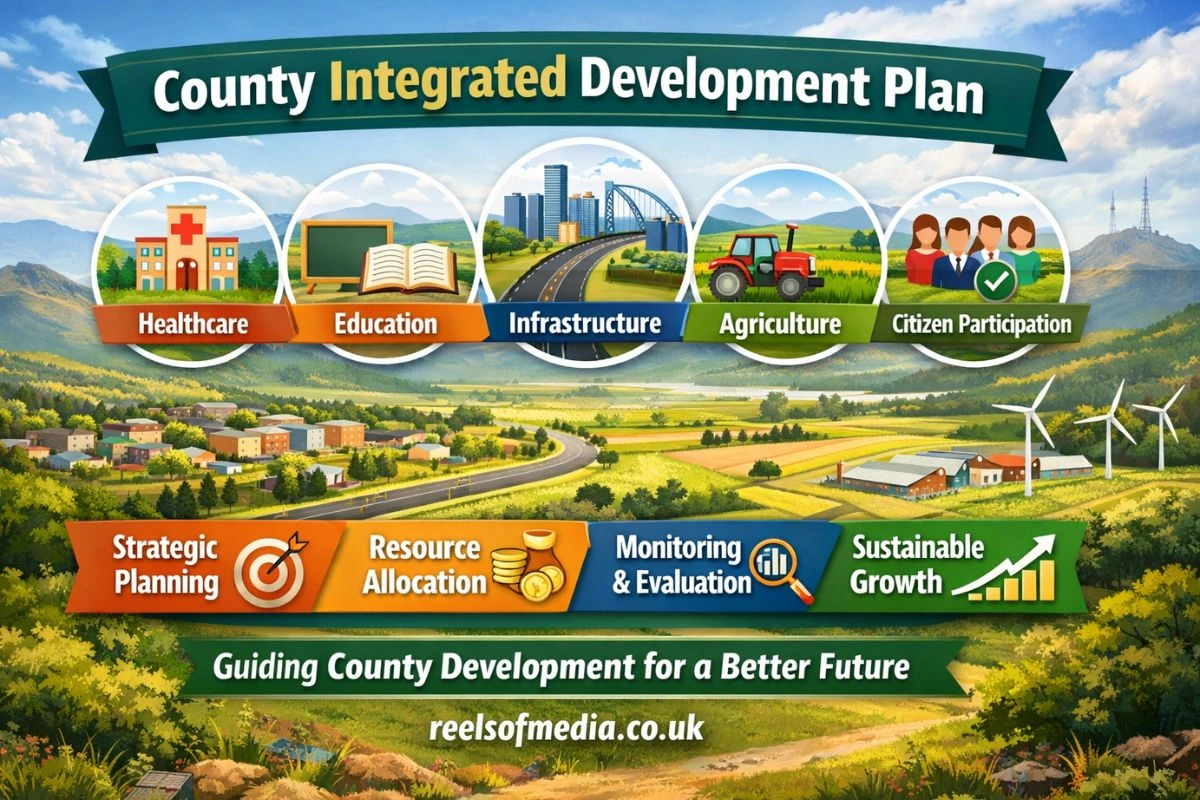
A County Integrated Development Plan (CIDP) is a strategic document designed to guide the development priorities of a county over a defined period, usually five years. It serves as a blueprint for allocating resources, implementing projects, and ensuring that county development aligns with national goals. By outlining specific objectives and strategies, the plan helps county governments address the needs of citizens in areas such as health, education, infrastructure, and economic growth.
Beyond planning, the CIDP plays a crucial role in promoting transparency, accountability, and public participation. It provides a framework for monitoring progress, evaluating outcomes, and adjusting strategies to meet emerging challenges. Ultimately, the County Integrated Development Plan is an essential tool for sustainable and well-coordinated county development.
What is a County Integrated Development Plan?
A County Integrated Development Plan is a legally mandated document prepared by county governments under the County Governments Act, 2012. The plan outlines the county’s development priorities, goals, strategies, and the mechanisms for implementing projects. Its core purpose is to ensure that the county’s resources are utilized effectively to meet the needs of residents while supporting broader national development agendas like Kenya Vision 2030.
The CIDP is not just a planning document; it is a management tool that integrates policy, budgeting, and monitoring systems. By doing so, it ensures that development initiatives are coherent, inclusive, and measurable.
Objectives of a County Integrated Development Plan
The main objectives of a CIDP include:
-
Guiding County Development: The CIDP sets clear development priorities and sectoral goals for the county. This helps streamline projects across areas like health, education, infrastructure, agriculture, and trade.
-
Resource Allocation: With limited resources, counties must prioritize programs that deliver the highest impact. The CIDP provides a framework for budgeting and ensures funds are allocated efficiently.
-
Citizen Participation: CIDPs are developed with citizen input, which ensures that development projects respond to the actual needs of communities rather than top-down directives.
-
Alignment with National Goals: CIDPs link local projects with national development strategies, fostering consistency between county and national planning efforts.
-
Monitoring and Evaluation: The plan sets performance indicators for projects, allowing counties to track progress, evaluate outcomes, and adjust strategies accordingly.



Key Components of a County Integrated Development Plan
A robust CIDP typically includes the following components:
-
Executive Summary: An overview of the county’s vision, mission, and key development priorities.
-
Situational Analysis: A review of the county’s current development status, challenges, and opportunities.
-
Development Priorities: Sector-specific plans, including health, education, infrastructure, water, and agriculture.
-
Strategic Objectives and Programs: Clearly defined goals with associated programs and initiatives.
-
Resource Plan: Budgetary projections and funding sources for implementing the projects.
-
Monitoring and Evaluation Framework: Mechanisms to track progress, measure performance, and report outcomes.
Legal and Policy Framework
The preparation and implementation of a CIDP are governed by several laws and policies. The County Governments Act, 2012 requires every county to develop a CIDP covering a five-year period. Additionally, the Public Finance Management Act, 2012 ensures that counties link their budgetary allocations to the priorities identified in the CIDP. By adhering to these laws, counties ensure transparency, accountability, and effective use of public resources.
Importance of the County Integrated Development Plan
The significance of a CIDP cannot be overstated. Here are some key benefits:
-
Structured Development: It provides a roadmap for systematic county development, avoiding ad hoc or fragmented projects.
-
Improved Service Delivery: By identifying priority areas, the CIDP helps counties focus on initiatives that improve citizens’ lives.
-
Investment Attraction: Clear development plans encourage investors and development partners to support county projects.
-
Citizen Engagement: Public participation in CIDP formulation fosters inclusivity and ownership of development initiatives.
-
Enhanced Accountability: With defined performance indicators, the CIDP allows both citizens and oversight bodies to hold county governments accountable.
The CIDP Development Process
Creating a County Integrated Development Plan is a structured process involving multiple stakeholders:
-
Data Collection and Analysis: Counties conduct surveys, community forums, and sector assessments to identify needs and challenges.
-
Stakeholder Consultation: County officials engage citizens, civil society, and private sector players to gather input and build consensus.
-
Drafting the Plan: The technical teams develop a draft CIDP outlining objectives, strategies, programs, and resource allocations.
-
Public Review and Validation: The draft is presented to the public and relevant authorities for feedback.
-
Approval and Publication: Once finalized, the county assembly approves the CIDP, making it a legal document guiding county development.
Challenges in CIDP Implementation
Despite its importance, implementing CIDPs can face several challenges:
-
Limited Financial Resources: Insufficient budgets may delay or prevent project implementation.
-
Political Interference: Shifts in county leadership can affect priorities and continuity of development projects.
-
Weak Monitoring Systems: Poor tracking of progress can lead to inefficiency and failure to achieve planned objectives.
-
Public Awareness: Low citizen awareness about the CIDP limits participation and accountability.
Conclusion
A County Integrated Development Plan is a critical tool for ensuring sustainable, inclusive, and well-coordinated county development. By providing a clear framework for planning, budgeting, and monitoring, CIDPs help counties transform citizens’ needs into actionable projects while aligning with national development objectives.
For counties, the CIDP is more than a requirement; it is an essential instrument for good governance, strategic growth, and improved quality of life for residents. Engaging citizens, allocating resources wisely, and monitoring progress effectively are key to making the vision of the CIDP a reality.
FAQs
What is a County Integrated Development Plan?
A County Integrated Development Plan (CIDP) is a strategic five-year framework that guides county governments in prioritizing projects, allocating resources, and aligning development with national goals, ensuring sustainable growth.
Why is a CIDP important for counties?
A CIDP helps counties plan systematically, improve service delivery, attract investment, and ensure citizen participation in decision-making processes.
How often is a County Integrated Development Plan updated?
CIDPs are typically prepared for a five-year period and reviewed annually to reflect new priorities, emerging challenges, and changing community needs.
Who is involved in preparing a CIDP?
Preparation involves county government officials, sectoral departments, citizens, civil society organizations, and sometimes private sector stakeholders to ensure inclusive planning.
What are the main components of a CIDP?
Key components include situational analysis, development priorities, sectoral programs, resource allocation, monitoring and evaluation frameworks, and strategic objectives.