

Not long ago, workplace perks were designed to make offices feel fun. Companies invested in ping-pong tables, gaming consoles, bean bags, and free snacks to build a relaxed atmosphere and keep employees happy. These perks were once seen as signs of a progressive workplace culture.
But the way people work has changed. Remote and hybrid work models have become the norm, and teams are often spread across multiple cities or even continents. As a result, traditional office perks have lost much of their impact. What companies increasingly need are digital tools that support employee well-being regardless of where work happens. As explained in an article on Geeky Gadgets, corporate wellness apps are emerging as a powerful solution that helps organizations support health, productivity, and engagement in a more modern way.
From Basic Wellness Programs to Digital Health Ecosystems
Corporate wellness initiatives have existed for years, but early versions were fairly simple. Many companies encouraged employees to participate in step-count challenges or occasional fitness competitions. These programs helped promote healthy habits but rarely offered lasting engagement or measurable results.
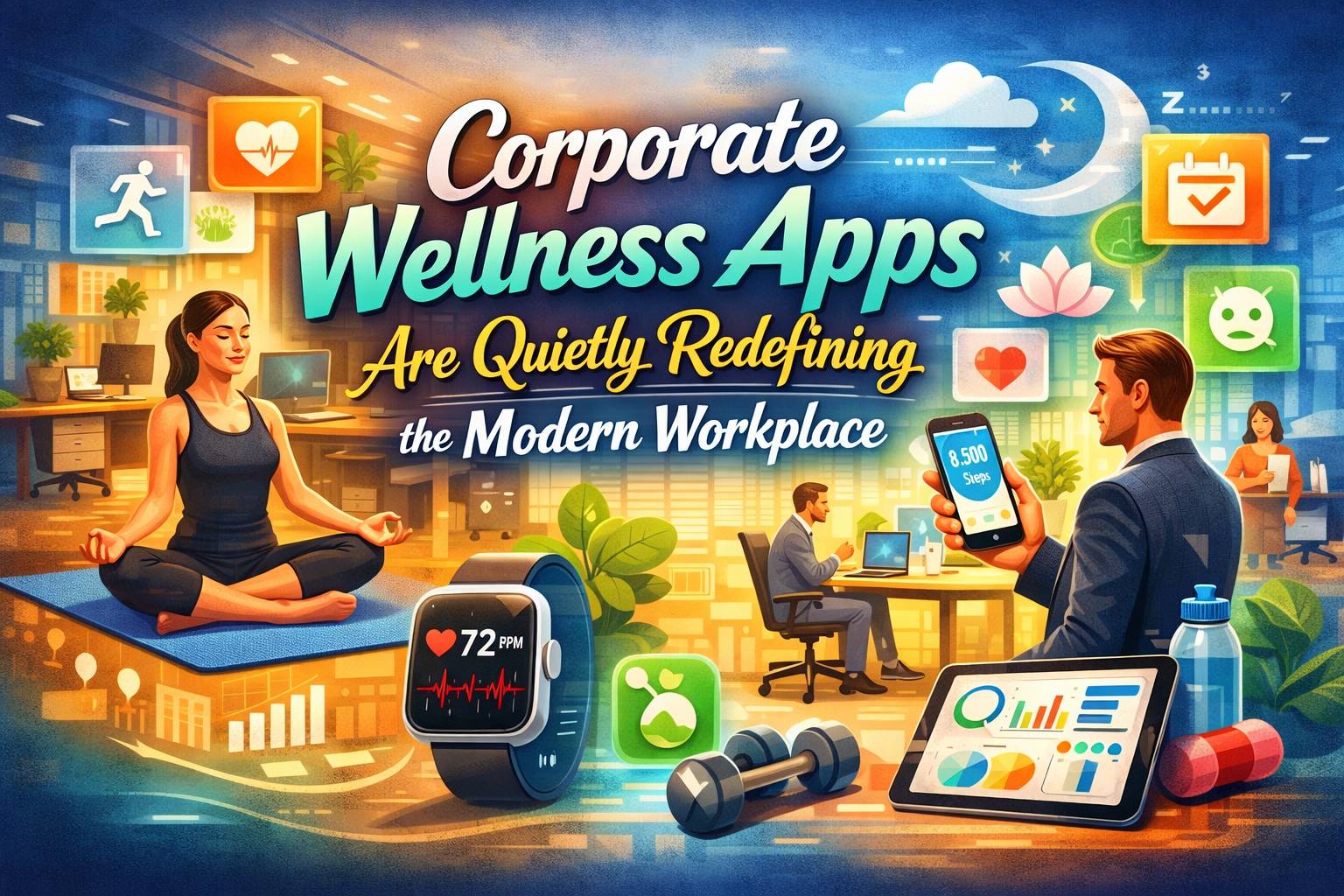
Today’s wellness apps have evolved far beyond these early experiments. Modern platforms combine several technologies — including artificial intelligence, wearable device integration, and data analytics — to create a much more comprehensive health ecosystem.
For example, many wellness apps now include tools that focus on mental health. Guided meditation, breathing exercises, and stress-management programs are common features. Some platforms also offer access to professional therapists through secure video consultations, making mental health support easier to access.
This focus on emotional well-being is especially valuable in remote work environments, where employees may experience isolation or increased stress levels.
Integration with Wearable Technology
Another key development is the integration with wearable devices. Many corporate wellness platforms can connect with Apple Watch, Fitbit, Garmin trackers, and other health-monitoring devices.
These gadgets collect valuable biometric data such as sleep patterns, heart rate variability, and activity levels. Wellness apps use this data to generate personalized insights and recommendations that help users improve their daily routines.



For example, if the system detects that someone is experiencing poor sleep or high stress levels, it may suggest relaxation exercises, physical activity, or short breaks during the workday.
Keeping Employees Engaged
For wellness apps to be effective, they need to maintain long-term engagement. Developers therefore include interactive features that make participation more enjoyable.
Gamification is one of the most common strategies. Instead of simple leaderboards, modern apps often introduce collaborative challenges where teams work together toward shared goals. Employees might collectively complete a virtual journey or participate in fitness campaigns that reward consistent activity.
Another important feature is integration with workplace communication tools such as Slack or Microsoft Teams. When wellness apps connect directly to these platforms, employees can access features like mindfulness exercises or reminders without switching between different applications.
Privacy and Trust
One challenge that companies must address is employee concern about data privacy. Health information is sensitive, and employees need to know that their personal data is protected.
To build trust, reputable wellness platforms use encryption and anonymized reporting systems. Employers receive aggregated insights about general workplace well-being — such as overall stress trends — without accessing individual health data.
This approach allows organizations to monitor well-being patterns while respecting employee privacy.
A Smarter Approach to Workplace Culture
The shift toward wellness apps reflects a broader transformation in workplace culture. Instead of relying on occasional perks or office entertainment, companies are investing in tools that actively support employee health.
Corporate wellness apps offer a practical way to promote better habits, reduce stress, and improve productivity. By combining technology with behavioral insights, these platforms help create healthier work environments for modern teams.
As workplaces continue to evolve, digital wellness tools are likely to become a core part of company infrastructure — helping organizations care for their most valuable resource: their people.