

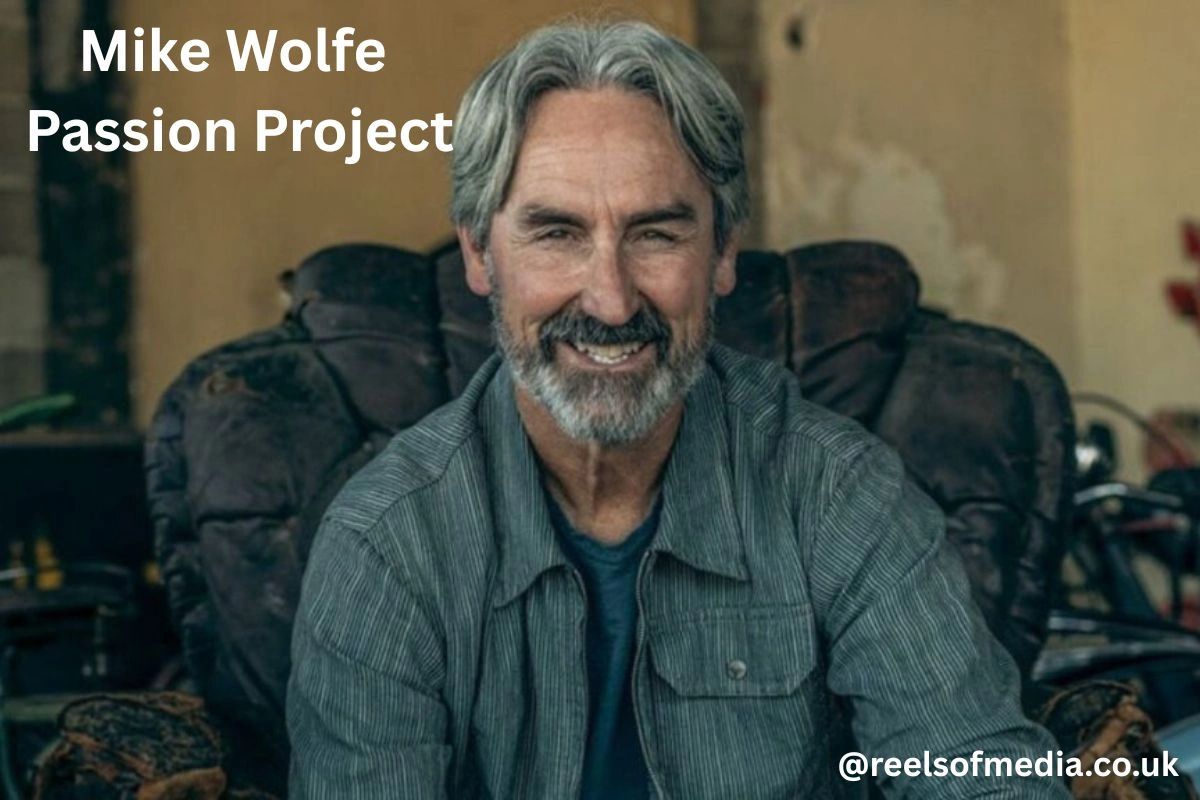
The mike wolfe passion project represents a long-term commitment to preserving historic buildings, supporting traditional craftsmanship, and revitalizing small-town America. Rather than focusing solely on collecting antiques, this initiative centers on restoring architectural landmarks and protecting the cultural identity tied to them. It reflects a belief that older structures and handmade trades carry stories that deserve to be maintained for future generations.
Through restoration efforts, community involvement, and advocacy for heritage preservation, this work highlights the value of keeping history visible in everyday life. By investing in forgotten spaces and skilled artisans, the project demonstrates how preservation can strengthen local economies while honoring the character and authenticity that define America’s historic towns.
From Television Personality to Preservation Advocate
American Pickers introduced viewers to roadside discoveries and rare collectibles. Through years of traveling across rural America, Wolfe developed a deep respect for the environments where those objects were found.
He witnessed declining Main Streets, abandoned service stations, and neglected early 20th-century buildings. These experiences inspired him to transition from simply collecting historical items to actively restoring the places that shaped American life. His preservation efforts are rooted in hands-on renovation, community involvement, and architectural respect.
Columbia, Tennessee: A Model for Restoration
Columbia, Tennessee has become a central focus of his restoration efforts. Rather than investing in large urban centers, Wolfe chose a historic small town with strong roots and untapped potential.
In Columbia, his work has included:
-
Reviving early automotive service stations
-
Renovating brick storefronts
-
Preserving vintage signage
-
Converting neglected spaces into community gathering areas



These restorations maintain original architectural elements such as exposed brick, period-correct materials, and historic facades. The intention is not to modernize beyond recognition but to honor what already exists.
Historic Building Restoration Philosophy
The core of the Mike Wolfe passion project lies in restoring structures rather than replacing them. Many historic buildings were constructed with high-quality materials and craftsmanship that are difficult to replicate today.
Restoration efforts typically involve:
-
Stabilizing foundations and structural frameworks
-
Repairing masonry and woodwork
-
Preserving original signage
-
Adapting interiors for modern use without altering exterior character
This approach protects cultural heritage while reducing environmental waste associated with demolition and new construction.
Celebrating Traditional Craftsmanship
Beyond architecture, the Mike Wolfe passion project strongly supports traditional trades. During his travels, Wolfe encountered skilled artisans whose crafts are increasingly rare.
He frequently highlights:
-
Blacksmiths preserving metalworking traditions
-
Woodworkers using heritage techniques
-
Leather artisans creating handmade goods
-
Neon sign restorers protecting vintage commercial art
By sharing their stories and promoting their work, he helps sustain crafts that connect modern audiences to earlier generations.
Two Lanes and Cultural Storytelling
Two Lanes serves as a storytelling and lifestyle platform aligned with Wolfe’s broader mission. Through photography, features, and curated goods, it showcases vintage culture and historic spaces.
The platform emphasizes:
-
American road travel
-
Classic motorcycles
-
Historic architecture
-
Artisan-made products
-
Community narratives
Rather than focusing solely on retail, it promotes appreciation for craftsmanship and preservation as part of everyday life.
Community Revitalization and Economic Impact
Restoring historic buildings has a direct influence on local economies. When neglected structures are rehabilitated, communities often experience renewed interest from visitors and entrepreneurs.
Positive outcomes may include:
-
Increased tourism
-
New independent businesses
-
Strengthened property values
-
Renewed civic pride
-
Greater investment in surrounding areas
Historic preservation becomes a catalyst for sustainable development while maintaining a town’s unique identity.
Cultural Importance in a Modern Era
Rapid development and expansion can sometimes erase architectural heritage. The Mike Wolfe passion project demonstrates that preservation and progress do not have to conflict.
Restored buildings:
-
Retain historical character
-
Provide authentic community spaces
-
Encourage responsible development
-
Strengthen connections between generations
By protecting tangible reminders of the past, communities maintain a sense of continuity in an evolving world.
Conclusion
The mike wolfe passion project highlights the importance of protecting historic architecture, traditional craftsmanship, and the cultural identity of small towns. By restoring neglected buildings and supporting skilled artisans, this initiative demonstrates how preservation can create meaningful community spaces while maintaining authenticity. It shows that honoring the past is not about resisting progress, but about ensuring that growth respects history and character.
Through consistent restoration efforts and community-focused investment, this mission reinforces the value of heritage in modern development. Preserved structures, revitalized downtown areas, and renewed appreciation for handmade work all contribute to stronger local economies and deeper cultural connections. This lasting impact proves that thoughtful preservation can shape a sustainable and culturally rich future.
FAQs
What is the mike wolfe passion project?
The mike wolfe passion project is an initiative focused on restoring historic buildings, supporting traditional American craftsmanship, and revitalizing small-town communities while preserving architectural and cultural heritage.
How did this preservation work begin?
It developed from years of traveling across rural America, where historic structures and skilled trades were often overlooked or at risk of disappearing.
Where are most restoration efforts concentrated?
Many projects are centered in Columbia, Tennessee, where historic buildings have been rehabilitated and repurposed for community use.
Does this project only focus on architecture?
No, it also highlights artisans such as blacksmiths, woodworkers, and leather craftsmen to help sustain traditional trades.
Why is historic preservation important for small towns?
Preserving historic spaces strengthens local identity, attracts visitors, encourages small business growth, and maintains a community’s cultural character.