

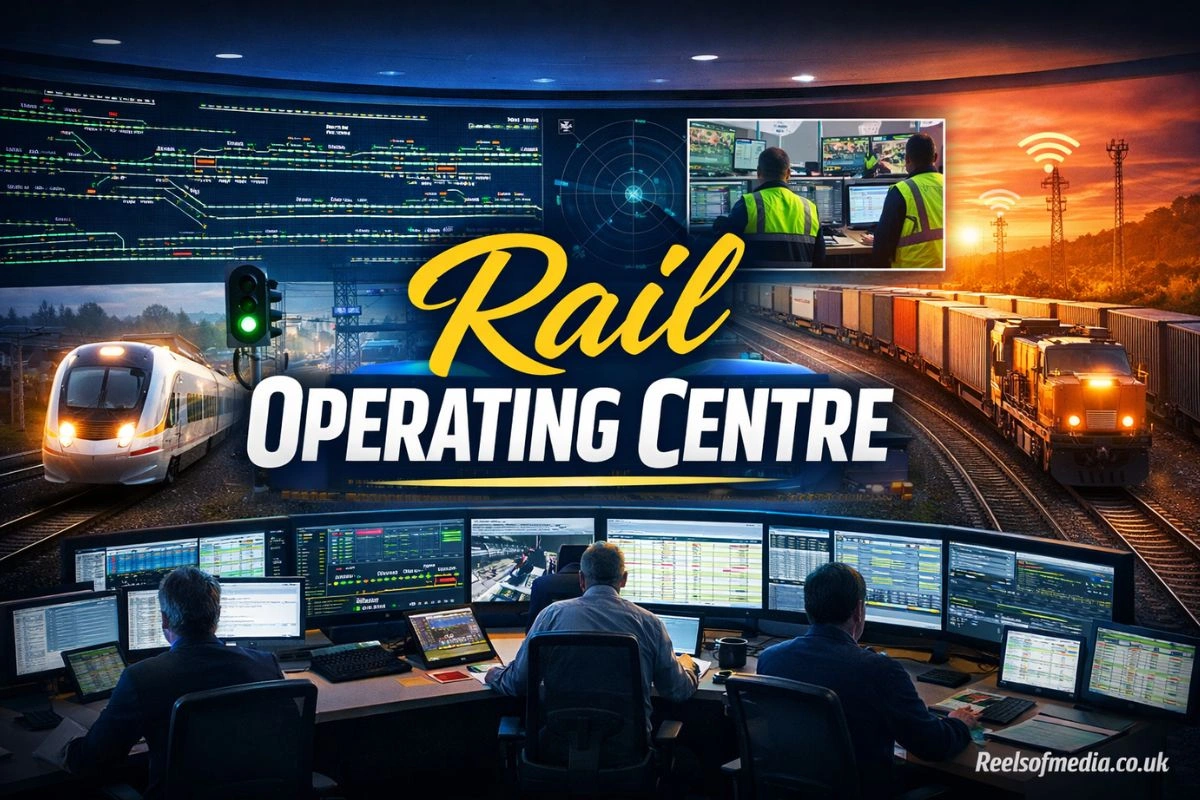
A rail operating centre is a centralized facility where railway operations across a wide region are monitored, controlled, and coordinated using digital systems. It replaces traditional signal boxes by bringing multiple control functions into a single environment, improving visibility and response time. Rail networks have grown more complex, and managing them efficiently requires a coordinated approach rather than fragmented control.
For transport planners and rail operators, the concept represents a shift toward system-wide thinking. Instead of focusing on individual routes or stations, decisions are made with the entire network in view. This approach helps reduce delays, improve safety, and support growing passenger demand without relying on outdated infrastructure or manual coordination.
What is a rail operating centre and how does it function
A rail operating centre works as the central brain of a railway network, where signaling, communication, and operational decisions are handled in real time. It integrates data from tracks, trains, and stations into a unified system, allowing controllers to manage traffic flow efficiently. This setup reduces the need for localized decision-making and ensures consistency across the network.
Inside the centre, advanced software displays train positions, schedules, and infrastructure status. Controllers use this information to adjust routes, respond to disruptions, and maintain safe distances between trains. Unlike older systems, these decisions are supported by automation, though human oversight remains critical for complex scenarios.
The transition from manual signal boxes to digital control has significantly improved operational clarity. Instead of relying on phone calls or isolated systems, teams work with shared data. This reduces miscommunication and helps resolve issues faster, especially during peak traffic or unexpected incidents.
A common misunderstanding is that automation replaces human roles entirely. In practice, rail operating centres rely heavily on skilled staff who interpret data, make judgment calls, and manage exceptions that automated systems cannot fully handle.
Why modern railways are shifting to centralized control systems
Railways are moving toward centralized control because network complexity has increased beyond what decentralized systems can handle effectively. A single delay in one area can quickly impact other parts of the network, and centralized oversight allows for faster coordination and recovery. This approach helps maintain reliability in high-demand environments.
Organizations such as Network Rail have adopted centralized control to replace hundreds of smaller signal boxes. The goal is not only efficiency but also long-term sustainability. Maintaining older infrastructure is costly and limits the ability to integrate modern technologies.



Another key driver is data integration. Centralized systems can process large volumes of real-time information, enabling predictive maintenance and better planning. This reduces unexpected failures and improves overall service quality for passengers and freight operators.
However, the shift requires significant investment and careful implementation. Poorly planned transitions can disrupt operations or create temporary inefficiencies. Success depends on training, system reliability, and gradual integration rather than abrupt replacement.
What happens inside a rail operating centre day to day
Daily operations inside a rail operating centre revolve around monitoring, decision-making, and communication. Controllers oversee train movements, adjust schedules when needed, and respond to disruptions such as equipment failures or weather-related issues. The goal is to keep the network running smoothly while minimizing delays.
Teams are typically divided into specialized roles, including signaling control, incident management, and customer information coordination. Each role contributes to a broader operational picture, ensuring that decisions are aligned and consistent across the network.
Real-time communication is a core function. Controllers interact with train drivers, station staff, and maintenance teams to coordinate responses. This constant flow of information allows for quick adjustments, which is essential in a dynamic environment where conditions can change rapidly.
A common mistake is assuming the system runs passively once set up. In reality, continuous monitoring and intervention are required. Even with automation, human input is essential to handle unexpected situations and maintain service reliability.
What are the benefits and limitations of centralized rail control
Centralized control offers clear advantages in efficiency, safety, and scalability. By consolidating operations, railways can reduce duplication, improve coordination, and make better use of resources. This leads to more consistent service and quicker responses to disruptions.
Another benefit is improved visibility. Decision-makers can see the entire network in real time, which supports better planning and faster problem resolution. This level of insight is difficult to achieve with decentralized systems that operate in isolation.
Despite these strengths, there are limitations to consider. Centralization creates dependency on a single system, which means technical failures can have wide-reaching effects. Robust backup systems and contingency planning are essential to mitigate this risk.
There is also a human factor. Staff must adapt to new technologies and workflows, which can be challenging without proper training. Overreliance on automation can lead to reduced situational awareness if not managed carefully.
How to evaluate the role of rail operating centres in future transport
Evaluating the role of rail operating centres requires looking beyond immediate efficiency gains and considering long-term adaptability. As rail networks expand and integrate with other transport systems, centralized control will play a key role in managing complexity and ensuring reliability.
Future developments will likely involve greater use of artificial intelligence and predictive analytics. These tools can enhance decision-making by identifying patterns and anticipating disruptions before they occur. However, human oversight will remain essential for maintaining trust and accountability.
It is also important to consider resilience. A well-designed rail operating centre should not only optimize performance but also handle unexpected events without major disruptions. This includes system redundancy, staff readiness, and clear operational protocols.
From a strategic perspective, rail operating centres represent a foundational element of modern transport infrastructure. Their effectiveness depends on how well they balance technology, human expertise, and long-term planning.
Conclusion
A rail operating centre plays a central role in modern railway systems by bringing together control, communication, and real-time decision-making into one coordinated environment. This shift has improved how networks handle delays, manage safety, and respond to changing conditions. By focusing on system-wide visibility rather than isolated control points, railways are better equipped to maintain consistent service and adapt to increasing demand without relying on outdated processes.
Looking ahead, the long-term value of centralized control depends on how well it balances technology with human expertise. Strong planning, reliable infrastructure, and continuous staff training remain essential for sustained performance. As transport systems evolve, the rail operating centre will continue to serve as a critical foundation for efficient, scalable, and resilient railway operations.
FAQs
What is a rail operating centre and why is it important?
A rail operating centre is a centralized facility where train movements, signaling, and network operations are managed in real time. It is important because it improves coordination across the railway network, reduces delays, and enhances safety by allowing faster and more informed decision-making.
How is a rail operating centre different from traditional signal boxes?
Traditional signal boxes control smaller, local sections of track, often relying on manual systems. In contrast, a rail operating centre manages large areas using digital technology, providing a unified view of the network and enabling more efficient control.
Who works inside a rail operating centre?
A rail operating centre is staffed by trained professionals such as signaling controllers, operations managers, and incident response teams. Each role focuses on specific tasks, but all work together to ensure smooth and safe railway operations.
Can rail operations run automatically without human involvement?
While automation plays a significant role in modern rail systems, human oversight is still essential. Staff monitor systems, make critical decisions during disruptions, and handle situations that require judgment beyond automated processes.
What are the main challenges of centralized railway control?
Some challenges include high setup costs, dependence on advanced technology, and the need for continuous staff training. If systems fail or are not properly maintained, disruptions can affect large parts of the network, making reliability a key concern.