

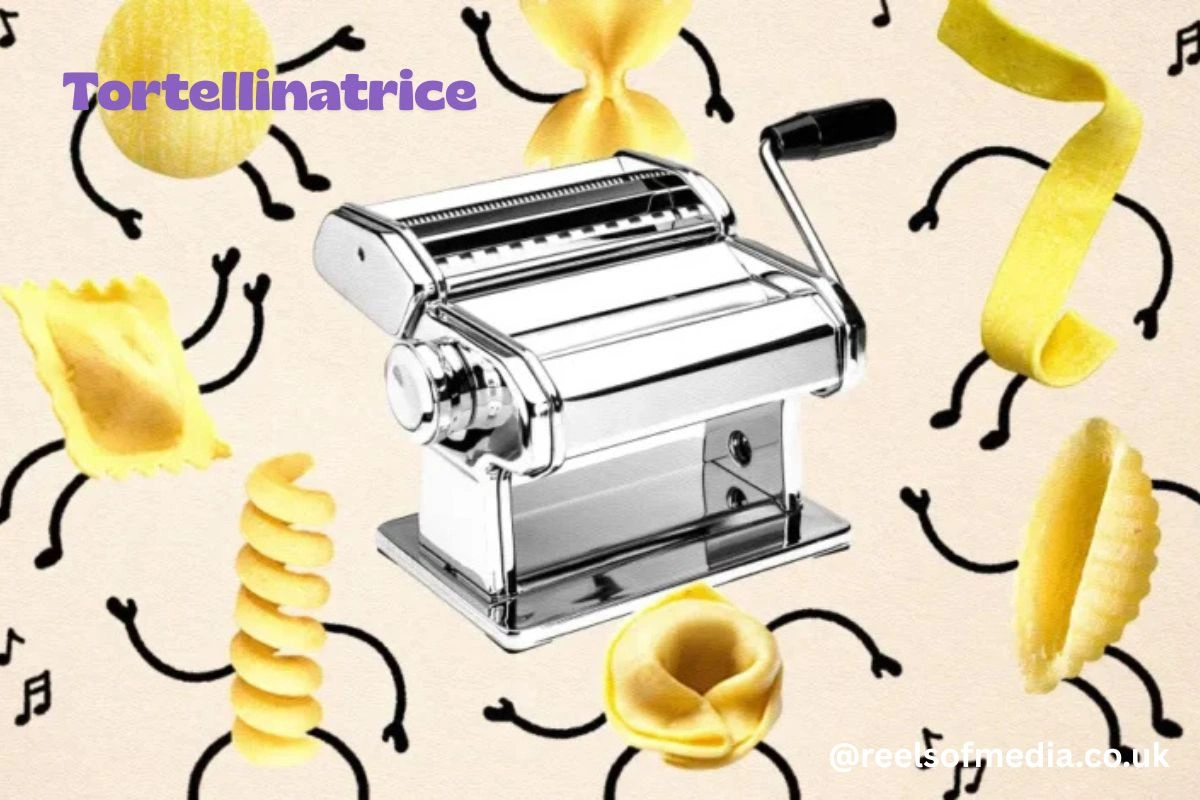
Making perfect fresh tortellini at home or in a professional kitchen can be challenging. That’s where a tortellinatrice comes in, a specialized tortellini machine designed to simplify the process while delivering consistent, professional-quality results. Unlike standard pasta machines, a tortellinatrice handles everything from rolling the dough to injecting the filling, folding, sealing, and cutting each piece precisely.
Whether you’re a home cook, a chef, or running an industrial pasta production facility, understanding how a tortellinatrice works, its types, advantages, and maintenance requirements is essential. This comprehensive guide will walk you through everything you need to know to choose the right tortellini machine and make delicious, uniform pasta every time.
What Is a Tortellinatrice?
A tortellinatrice is a specialized tortellini machine designed to shape, fill, and seal tortellini with speed and precision. Unlike a standard pasta machine, which mainly rolls and cuts dough, a tortellinatrice is built specifically for stuffed pasta like tortellini. It combines dough forming, filling injection, folding, and cutting into one smooth process.
This type of Italian pasta machine is widely used in professional kitchens, pasta workshops, and food production facilities, but smaller models are also suitable for home use. Whether manual, semi-automatic, or fully automatic, a tortellinatrice helps produce fresh tortellini with consistent size and shape. In short, it bridges traditional pasta-making techniques with modern pasta production efficiency.
How a Tortellinatrice Works (Step-by-Step)
A tortellinatrice works by turning simple pasta dough into perfectly shaped tortellini through a smooth, automated process. First, the dough is prepared and fed into the tortellini machine, where it is rolled to the correct thickness. At the same time, the filling is pushed into the dough using a controlled injection system.
Next, the machine folds the dough around the filling and seals it tightly to prevent leaks during cooking. Finally, the pasta machine cuts each piece into uniform shapes. This process ensures consistent results, saves time, and reduces manual effort. Whether used in small kitchens or industrial pasta production, a tortellinatrice delivers precision and efficiency.
Dough Preparation & Feeding Mechanism
Proper dough preparation is essential for getting the best results from a tortellinatrice. The dough should be smooth, elastic, and not too dry or sticky. This allows the tortellini machine to handle it easily without tearing. Once ready, the dough is placed into the feeding system of the machine.
The feeding mechanism gently guides the dough forward while keeping the thickness even. Unlike a basic pasta machine, a tortellinatrice is designed to maintain consistent pressure, which helps create uniform fresh tortellini. This step is crucial because uneven dough can affect filling, sealing, and final shape. A well-prepared dough ensures smooth operation and improves efficiency in both home kitchens and professional pasta production.



Filling Injection System
The filling injection system is the heart of a tortellinatrice. It precisely places the chosen filling, whether cheese, meat, or vegetables, onto the rolled dough. This ensures every tortellini has the right amount of filling without leaks or gaps. Unlike manual methods, this system guarantees consistency and speed, making it ideal for fresh pasta production at home or in professional kitchens.
Most machines allow adjustable portion sizes so you can control the quantity for each piece. This part of the tortellini machine combines precision engineering with ease of use, reducing waste and saving time. Accurate filling is essential for perfectly shaped and uniform tortellini, giving them a professional-quality appearance and taste.
Folding, Shaping & Sealing Process
After the filling is placed, the tortellinatrice automatically folds the dough around it to form the classic tortellini shape. The machine then carefully seals the edges, ensuring the filling stays inside during cooking. This step is crucial because poorly sealed pasta can open or leak, affecting both appearance and taste.
The tortellini machine handles this step with precision, producing uniform, consistent results every time. Whether making a small batch at home or large quantities in industrial pasta production, the folding and sealing process saves time and reduces errors compared to manual shaping. The result is fresh tortellini that looks professionally made and retains its delicious filling.
Cutting & Portion Control
Once the tortellini are folded and sealed, the tortellinatrice moves to cutting and portioning. The machine slices each piece to a consistent size, ensuring every tortellini is uniform in shape and weight. This step is especially important for industrial pasta production, where consistency affects cooking times and presentation.
Many tortellini machines offer adjustable cutting settings, allowing you to control the size of each piece based on recipe requirements. Proper portion control also helps reduce waste and maintain efficiency, whether in a home kitchen or a professional setting. By automating this step, a tortellinatrice guarantees precise, evenly sized fresh tortellini every time.
Types of Tortellinatrice Machines
Tortellinatrice machines come in several types to suit different needs, from home kitchens to industrial production.
Manual Tortellinatrice: These are simple machines that require hand operation. They are ideal for home cooks or small workshops, offering control over each tortellini while maintaining the traditional crafting experience.
Semi-Automatic Tortellinatrice: These machines combine manual input with automated processes. Users may feed the dough manually, while the machine handles filling, folding, and cutting, saving time and improving consistency for medium-scale pasta production.
Fully Automatic / Industrial Tortellinatrice: Designed for professional kitchens and factories, these machines handle dough feeding, filling, folding, sealing, and cutting automatically. They maximize efficiency and produce large quantities of uniform fresh tortellini with minimal effort.
Ortellinatrice vs Other Pasta Machines
A tortellinatrice differs significantly from a standard pasta machine or ravioli maker. While a pasta machine mainly rolls and cuts dough, a tortellinatrice is specifically designed for stuffed pasta, handling filling, folding, sealing, and cutting in one process.
Compared to a ravioli machine, a tortellinatrice ensures tortellini maintain their unique ring shape and consistent size. Standard pasta machines or multi-function devices may produce uneven or improperly sealed stuffed pasta, especially in larger batches.
For home cooks, a tortellinatrice offers precision and ease, while for professional kitchens or industrial pasta production, it delivers speed, uniformity, and efficiency. This specialized machine bridges traditional pasta-making techniques with modern automation for fresh tortellini every time.
Advantages and Disadvantages of Using a Tortellinatrice
Using a tortellinatrice offers several advantages, especially for those making fresh tortellini regularly. Key benefits include speed, as the machine automates filling, folding, and cutting; precision, producing uniform pasta every time; and consistency, ensuring each tortellini cooks evenly and looks professional. It also reduces manual effort, making it suitable for both home cooks and industrial pasta production.
However, there are some disadvantages. Cost can be high, particularly for fully automatic models, and there may be a learning curve for optimal use. Smaller machines have limited capacity, and improper maintenance can affect performance. Despite these challenges, the advantages often outweigh the drawbacks, especially for frequent pasta makers.
Who Should Use a Tortellinatrice
A tortellinatrice is ideal for anyone who wants to make consistent, high-quality fresh tortellini efficiently.
Home Cooks: Small manual or semi-automatic machines are perfect for enthusiasts who enjoy making homemade pasta with professional results. They save time and improve consistency compared to manual shaping.
Restaurants & Catering Businesses: Semi-automatic or fully automatic machines help chefs produce larger batches quickly while maintaining uniformity, allowing them to serve fresh tortellini to customers without compromising quality.
Industrial Pasta Manufacturers: Fully automatic, high-capacity tortellinatrici are essential for large-scale pasta production, ensuring fast output, precise portioning, and minimal waste.
In short, anyone from home cooks to professionals can benefit from a tortellini machine tailored to their production needs.
Choosing the right tortellinatrice depends on how and where you plan to use it. Start by considering capacity. If you’re making tortellini for a family or small group, a manual or semi-automatic tortellini machine may be enough. For restaurants or larger projects, look for fully automatic models with higher output.
Next, check the build quality and materials. Machines made of durable, food-grade stainless steel are easier to clean and last longer. Think about the automation level as well. More automation saves effort but usually comes at a higher price. Also, factor in maintenance requirements since simple designs are easier to clean and service.
By matching these features to your needs, you’ll find a tortellinatrice that delivers the best fresh pasta production experience.
Tortellinatrice Price Range & Cost Factors
The price of a tortellinatrice can vary widely depending on its size, features, and automation level. Basic manual models designed for home use are usually the most affordable, making them great for beginners and casual cooks who want to make fresh tortellini without spending too much.
As you move up to semi-automatic and fully automatic machines, prices increase because these models offer higher efficiency, faster production, and greater consistency, which is ideal for restaurants or industrial pasta production. Materials also matter. Food-grade stainless steel machines tend to cost more but last longer and are easier to clean.
Other cost factors include warranty, brand reputation, and included accessories. By understanding these elements, you can choose a tortellinatrice that matches both your budget and pasta-making needs.
Maintenance, Cleaning & Common Problems
Proper maintenance and cleaning are essential to keep your tortellinatrice working efficiently and producing perfect fresh tortellini. After each use, remove leftover dough and filling to prevent buildup, which can affect the machine’s performance. Most machines can be cleaned with a soft brush or cloth; avoid using harsh chemicals that may damage stainless steel components.
Common problems include dough sticking, uneven filling distribution, or improperly sealed tortellini. These issues often occur when the dough is too dry or wet, or the machine isn’t adjusted correctly. Regular lubrication of moving parts and following the manufacturer’s instructions can prevent most problems and extend the lifespan of your tortellini machine.
Final Thoughts
A tortellinatrice is an excellent investment for anyone passionate about making fresh tortellini. For home cooks, it simplifies the process and guarantees consistent results, while professional chefs and industrial kitchens benefit from speed, efficiency, and uniformity.
When choosing a machine, consider your production needs, budget, and the level of automation required. Proper maintenance ensures longevity, while understanding its features allows you to get the most out of your investment.
Ultimately, whether for personal enjoyment or professional use, a tortellini machine bridges traditional pasta-making with modern efficiency, making it easier than ever to enjoy authentic Italian tortellini at home or in a business setting.
FAQs
Is a tortellinatrice worth it?
Yes, especially for those making fresh tortellini regularly. It saves time, ensures consistent size, and improves overall quality compared to manual shaping.
Can a tortellinatrice make other stuffed pasta?
Some models can handle ravioli or similar stuffed pasta, but most are optimized specifically for tortellini shapes.
How long does a tortellinatrice last?
With proper cleaning and maintenance, a high-quality stainless steel tortellini machine can last for many years, even with frequent use in industrial pasta production.
Do I need professional training to use it?
Basic models are beginner-friendly, but semi-automatic or fully automatic machines may require some guidance to optimize output and avoid common mistakes.