

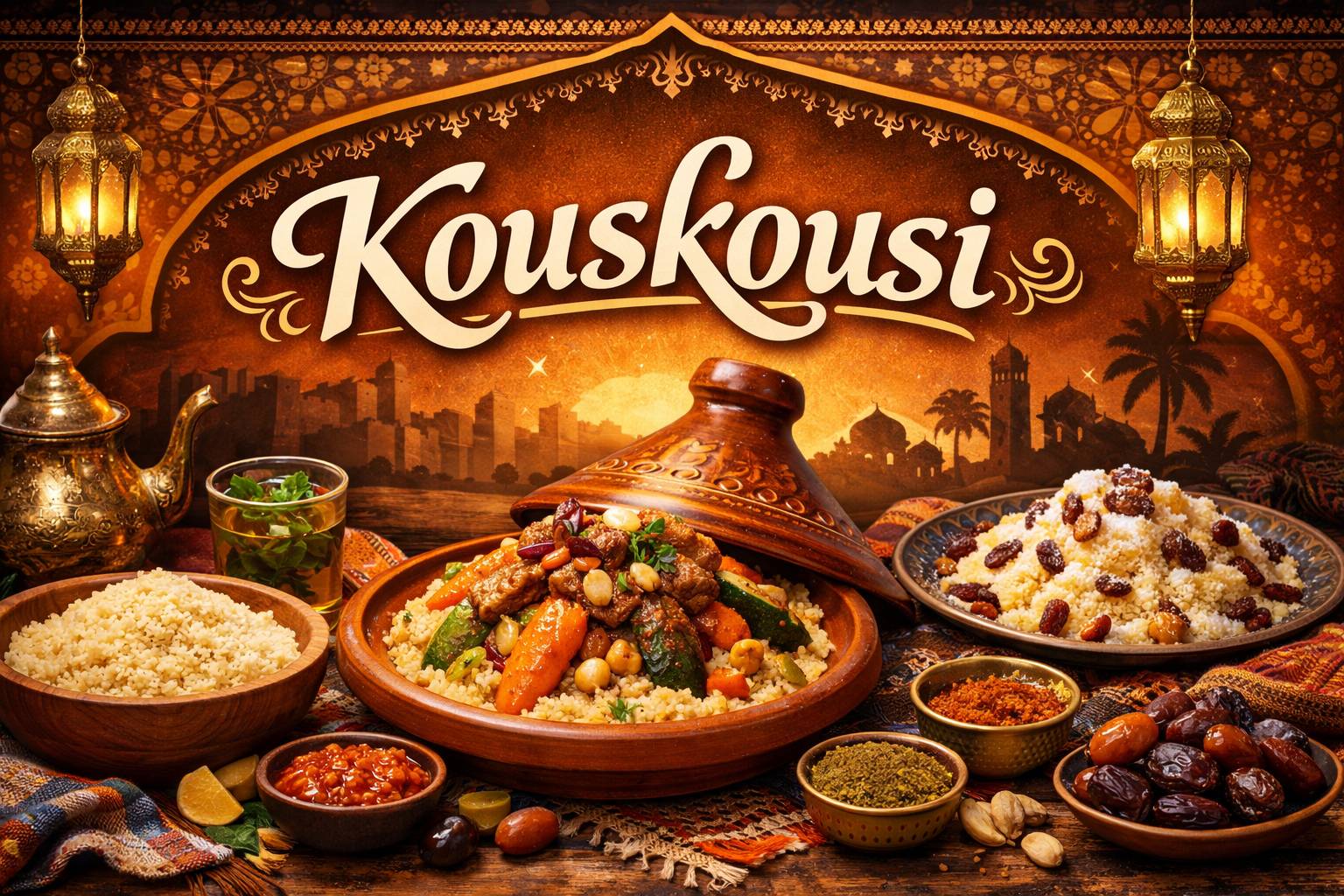
Kouskousi is commonly understood as a regional variation or phonetic spelling of couscous, a staple dish rooted in North African culinary tradition. In many communities, the word reflects pronunciation differences rather than a separate product. Understanding this distinction is important before evaluating quality, preparation methods, or nutritional value.
Across countries such as Morocco, Algeria, and Tunisia, couscous holds cultural and historical importance. The dish has even been recognized by UNESCO as part of the Intangible Cultural Heritage of Humanity. When people search for kouskousi, they are usually seeking clarity about origin, preparation, or authenticity rather than a completely different food product.
What Does the Term Kouskousi Actually Mean
In most contexts, kouskousi refers to the same semolina-based grain dish known internationally as couscous. The variation in spelling often reflects dialect, transliteration, or regional pronunciation rather than a unique culinary item.
The dish itself consists of steamed granules made from durum wheat semolina. Traditionally, the grains are rolled by hand and steamed multiple times in a special pot called a couscoussier. While packaged versions are widely available today, authentic preparation remains central to family meals and community gatherings across North Africa.
Confusion often arises when consumers assume kouskousi is a brand or processed alternative. In practice, it usually signals cultural context rather than a different ingredient list. Understanding this helps avoid misinterpretation when reading recipes or purchasing imported goods.
Is It the Same as Traditional Couscous
Yes, in nearly all cases, kouskousi is simply another way of referring to traditional couscous. There is no consistent evidence that it represents a different grain, variety, or processing method.
Traditional couscous is made from crushed durum wheat semolina that is moistened, rolled into tiny granules, and steamed. Modern supermarket versions are often pre-steamed and dried, which reduces cooking time but slightly alters texture.
A common mistake is assuming all couscous products are identical. Texture, grain size, and preparation method can vary significantly. For example, fine grains are used for lighter dishes, while larger grains may be preferred for stews. The name itself does not determine quality; sourcing and preparation do.



How Is It Prepared and Served in Real Life
Kouskousi is typically steamed rather than boiled. The grains are fluffed between steaming sessions to prevent clumping and to ensure even hydration. This step is essential for achieving a light texture.
In traditional settings, the grains are served with slow-cooked vegetables, chickpeas, and meat such as lamb or chicken. In vegetarian versions, root vegetables and legumes provide structure and protein. Broth is spooned over the top just before serving.
In everyday kitchens outside North Africa, preparation is often simplified. Hot water or stock is poured over pre-steamed grains and left to absorb. While convenient, skipping proper fluffing can result in a dense texture. Small technique adjustments make a noticeable difference.
What Should You Know Before Buying or Cooking It
Before purchasing kouskousi, check the ingredient list. Authentic versions should contain only semolina and possibly water. Some instant mixes include flavoring packets with high sodium content.
Grain size matters. Fine grains cook faster and produce a softer texture, while medium or coarse varieties hold up better with stews. Consider the dish you intend to prepare rather than choosing randomly.
Storage is straightforward. Keep it in a dry, sealed container to prevent moisture absorption. Once cooked, refrigerate leftovers promptly and consume within a few days. Quality declines if exposed to humidity, which causes clumping even before cooking.
Is It a Healthy Choice for Everyday Meals
Kouskousi can be part of a balanced diet when portioned correctly and paired with nutrient-dense ingredients. It provides carbohydrates for energy and moderate protein from wheat.
Whole wheat versions offer more fiber than refined semolina varieties. Pairing it with legumes, vegetables, and lean proteins improves overall nutritional value. The dish itself is neutral; health impact depends on how it is prepared.
A common misconception is that it is significantly different from pasta. Nutritionally, they are similar since both are derived from durum wheat. The difference lies more in preparation and serving style than in core composition.
Conclusion
Kouskousi is best understood as a cultural or linguistic variation of couscous rather than a distinct food category. Its roots in North African culinary tradition shape how it is prepared, served, and valued.
For consumers, the key considerations are grain type, preparation method, and ingredient quality. When cooked properly and paired thoughtfully, it remains a practical and versatile staple. Clear understanding prevents confusion and supports informed choices in both home kitchens and retail settings.
Frequently Asked Questions (FAQs)
1. What is kouskousi and is it different from couscous?
Kouskousi is generally another spelling or pronunciation of couscous, the traditional North African semolina grain dish. In most cases, it does not represent a separate product, grain type, or brand. The difference is linguistic rather than culinary, often shaped by regional dialects and transliteration into English.
2. What is kouskousi made from?
Kouskousi is made from durum wheat semolina that is moistened, rolled into small granules, and steamed. Traditional versions contain only semolina and water. Some commercial products may include added seasonings, so it is important to check the ingredient label if you are buying packaged varieties.
3. How is kouskousi traditionally prepared?
Traditionally, the grains are steamed multiple times in a couscoussier to achieve a light and fluffy texture. Between steaming sessions, the grains are separated by hand to prevent clumping. In modern kitchens, pre-steamed versions are often prepared by soaking in hot water or broth, though this method produces a slightly different texture.
4. Is kouskousi considered healthy?
Kouskousi can be part of a balanced diet when eaten in appropriate portions. It provides carbohydrates for energy and moderate protein. Whole wheat versions offer more fiber than refined varieties. Its overall nutritional value depends on how it is served, particularly the addition of vegetables, legumes, and lean proteins.
5. How should kouskousi be stored?
Uncooked kouskousi should be stored in a sealed container in a cool, dry place to prevent moisture absorption. Once cooked, it should be refrigerated and consumed within a few days. Proper storage helps maintain texture and prevents clumping or spoilage.