

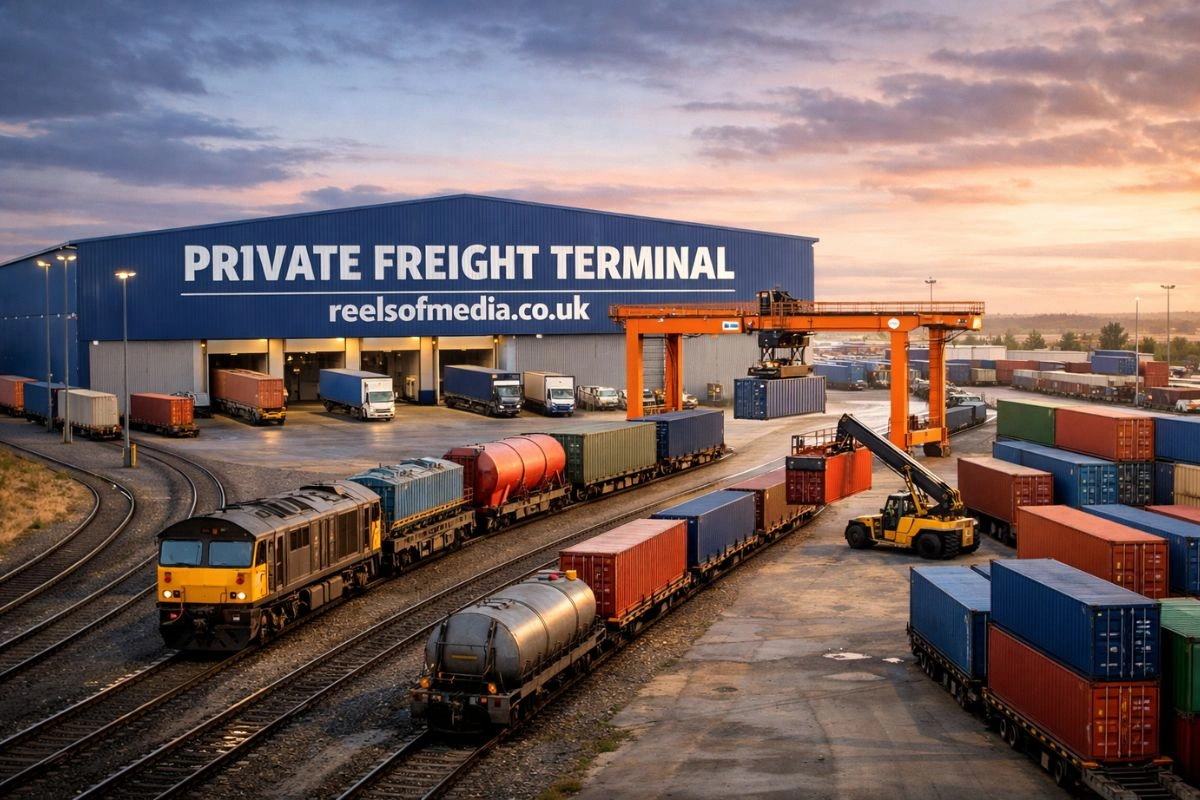
In today’s fast-moving global economy, efficient transportation and logistics systems are essential for businesses that rely on the smooth movement of goods. One important part of this infrastructure is the Private Freight Terminal, a specialized facility that allows companies to manage, store, and transport cargo more efficiently. Unlike publicly operated freight terminals, these facilities are owned and managed by private companies that handle their own logistics operations.
A Private Freight Terminal plays a critical role in modern supply chains by improving cargo handling, reducing delays, and providing companies with greater control over their distribution networks. From large manufacturing companies to global logistics providers, private freight terminals help streamline transportation processes, reduce operational costs, and increase overall efficiency in the movement of goods.
Understanding the Concept of a Private Freight Terminal
A Private Freight Terminal is a logistics hub owned and operated by a private organization to manage the transportation and handling of freight. These terminals typically serve specific companies or supply chains rather than the general public. They are designed to support activities such as cargo loading, unloading, sorting, storage, and distribution.
Private freight terminals are often located near key transportation networks like highways, rail lines, seaports, or airports. Their strategic locations allow businesses to move goods quickly between transportation modes such as trucks, trains, ships, and airplanes.
These facilities are commonly used by large logistics companies and corporations such as UPS, DHL, and FedEx, which operate extensive distribution networks worldwide.
Key Functions of a Private Freight Terminal
Private freight terminals perform several important functions that support efficient logistics and transportation operations.
Cargo Handling
One of the primary roles of a freight terminal is loading and unloading cargo. This may include containers, pallets, bulk goods, or packaged shipments. Specialized equipment such as cranes, forklifts, and conveyor systems are often used to handle freight safely and efficiently.
Storage and Warehousing
Many private freight terminals include large storage areas where goods can be temporarily stored before being shipped to their next destination. Warehousing allows businesses to manage inventory and ensure that products are available when needed.



Freight Consolidation and Distribution
Private freight terminals often consolidate shipments from multiple sources into larger loads for more efficient transportation. This process helps reduce shipping costs and improves delivery efficiency.
Intermodal Transportation
Another key function is supporting intermodal transportation, where goods move between different types of transport such as trucks, rail, ships, or aircraft. This flexibility allows businesses to choose the most efficient transportation method for each stage of the supply chain.
Types of Private Freight Terminals
Private freight terminals can vary depending on the type of transportation they support and the industries they serve.
Rail Freight Terminals
These terminals are connected to railway networks and are used to load and unload cargo from freight trains. They are commonly used for bulk goods such as raw materials, agricultural products, and industrial supplies.
Port Freight Terminals
Located near seaports, these terminals handle containerized cargo and goods being imported or exported internationally. They play a major role in global trade and maritime shipping.
Air Cargo Terminals
Air freight terminals manage shipments transported by aircraft. These facilities focus on speed and efficiency, making them ideal for high-value or time-sensitive goods.
Truck Freight Terminals
Truck terminals serve as distribution hubs for road transportation. They often include loading docks, warehouses, and logistics management systems that coordinate shipments across regional or national networks.
Benefits of Private Freight Terminals
Private freight terminals provide numerous advantages to businesses that rely on efficient logistics operations.
Greater Operational Control
Companies operating their own freight terminals have complete control over their cargo handling processes, scheduling, and logistics strategies. This allows them to tailor operations to their specific needs.
Faster Transportation and Reduced Delays
Private facilities often operate more efficiently than shared public terminals because they handle fewer external shipments. This reduces congestion and improves delivery times.
Improved Supply Chain Efficiency
By managing freight operations internally, businesses can streamline their supply chains, minimize handling errors, and ensure that goods move smoothly between suppliers, warehouses, and customers.
Enhanced Security
Private terminals often provide higher levels of security, including restricted access, surveillance systems, and specialized handling procedures for sensitive goods.
Industries That Use Private Freight Terminals
Many industries rely on private freight terminals to support their logistics operations. These include:
-
Manufacturing and industrial production
-
Retail and e-commerce distribution
-
Automotive supply chains
-
Agricultural exports
-
Energy and natural resources
-
Pharmaceutical and healthcare logistics
For example, large retailers such as Amazon operate private logistics facilities to manage their massive distribution networks and ensure rapid delivery of products to customers.
Technology in Modern Private Freight Terminals
Advances in technology have significantly improved the efficiency and capabilities of modern freight terminals. Many facilities now use advanced systems to manage cargo movement and optimize operations.
Automation and Robotics
Automated equipment and robotic systems can handle cargo more quickly and reduce manual labor requirements.
Digital Tracking Systems
Real-time tracking technologies allow companies to monitor shipments throughout the supply chain, improving transparency and reliability.
Warehouse Management Software
Modern terminals use sophisticated logistics software to manage inventory, schedule shipments, and coordinate transportation operations.
Data Analytics
Data-driven insights help companies analyze transportation patterns, predict demand, and improve logistics planning.
Challenges in Operating Private Freight Terminals
While private freight terminals offer many benefits, they also come with certain challenges.
High Initial Investment
Building and maintaining a freight terminal requires significant capital investment, including land, infrastructure, and specialized equipment.
Regulatory Compliance
Freight terminals must comply with transportation regulations, safety standards, and environmental requirements set by government authorities.
Operational Complexity
Managing a large logistics facility requires skilled personnel, advanced technology systems, and careful coordination between multiple transportation networks.
The Future of Private Freight Terminals
As global trade continues to expand, the demand for efficient logistics infrastructure will only increase. Private freight terminals are expected to play an even more important role in supporting modern supply chains.
Future developments may include increased automation, artificial intelligence for logistics planning, and greener transportation solutions designed to reduce environmental impact. Businesses are also investing in smart logistics hubs that integrate digital technologies with traditional freight operations.
With the continued growth of e-commerce and international trade, private freight terminals will remain a key component of efficient transportation networks worldwide.
Conclusion
A Private Freight Terminal is a vital part of modern logistics infrastructure that enables businesses to manage freight handling, storage, and transportation more efficiently. By providing greater operational control, faster cargo processing, and improved supply chain coordination, these privately operated facilities help companies maintain reliable and cost-effective logistics systems.
As industries continue to expand and global trade becomes more complex, the role of private freight terminals will grow even more significant. Businesses that invest in advanced logistics facilities will be better positioned to handle increasing shipping demands and maintain a competitive advantage in the modern marketplace.