

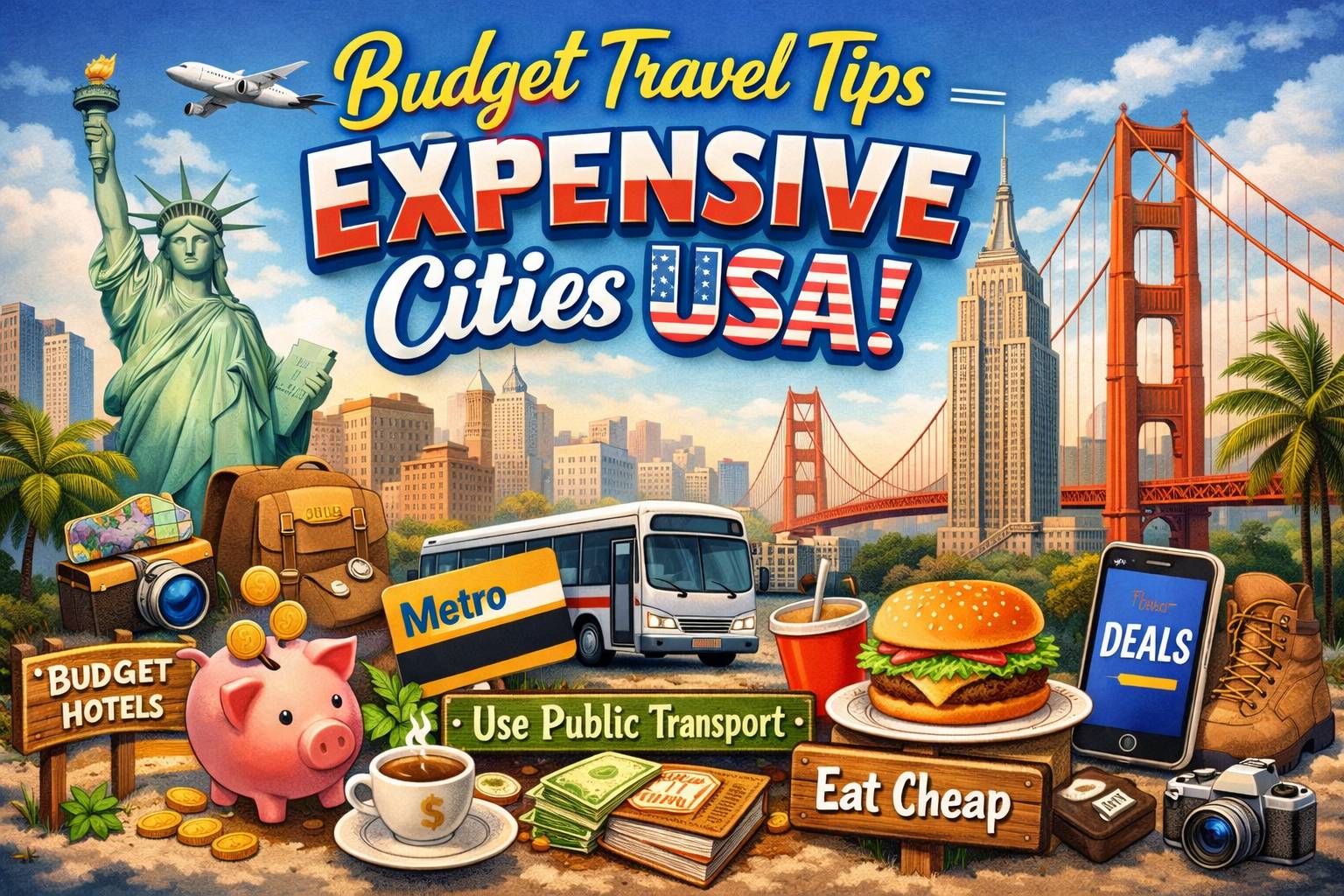
Budget Travel Tips for Expensive Cities in the USA
Traveling to popular U.S. destinations doesn’t have to drain your wallet. Many cities in the United States, such as New York, San Francisco, and Los Angeles, are notorious for their high costs, from accommodations to dining and entertainment. However, with the right approach, it’s possible to explore these expensive urban centers without overspending.
In this guide, we share practical Budget Travel Tips Expensive Cities USA travelers can use to save money while still enjoying the culture, attractions, and unique experiences each city offers. From smart planning strategies to insider tricks for affordable dining and transportation, these tips make it easier for anyone to experience the excitement of America’s most expensive cities on a budget.
Whether you’re a solo traveler, couple, or family, understanding how to stretch your dollars will ensure a memorable trip without financial stress.
Understanding Why Some Cities Are Expensive
Certain U.S. cities have earned a reputation for being expensive due to factors like high demand for housing, thriving tourism industries, and strong local economies. Cities like New York, Los Angeles, San Francisco, Boston, and Washington, D.C., consistently rank among the priciest for travelers. Key contributors to high costs include:
-
Accommodation: Hotel rates in central locations are often astronomical. Popular areas like Manhattan in New York or Downtown San Francisco can cost hundreds per night.
-
Dining and Groceries: Restaurants in high-demand neighborhoods frequently have premium pricing. Even fast-casual meals can add up.
-
Transportation: Ride-hailing services, parking fees, and public transit can be costly, particularly for tourists unfamiliar with the local system.
-
Attractions and Entertainment: Famous landmarks, museums, and shows may charge high entry fees, particularly for guided experiences or skip-the-line access.


Understanding these factors allows travelers to plan strategically and identify areas where spending can be minimized.
Planning Your Trip Strategically
One of the most effective ways to save money is early and careful planning. Booking in advance and understanding the best times to visit can significantly reduce expenses.
Choose the Right Time to Visit
Visiting during the off-season or shoulder seasons can drastically reduce costs. For example:
-
New York City: Late January to early March is less crowded and offers cheaper hotel rates.
-
San Francisco: Avoid peak summer months when hotels and attractions spike in price.
-
Los Angeles: Spring and fall offer pleasant weather and lower tourist congestion.
Traveling off-peak not only reduces costs but also enhances your experience by avoiding long lines and crowded attractions.
Use Price Comparison Tools
Several websites and apps can help you compare prices for flights, hotels, and activities:
-
Flights: Google Flights, Skyscanner, Kayak
-
Hotels & Rentals: Booking.com, Airbnb, Vrbo
-
Activities: Groupon, CityPASS, Viator
Additionally, an early reservation at a valle de guadalupe resort ensures that you can enjoy world-class amenities and breathtaking vineyard views at the best possible price.
Consider Alternative Accommodation Options
Hotels in expensive cities can drain your budget. Instead, consider:
-
Airbnb or Vacation Rentals: Often cheaper than hotels, with kitchen facilities that allow for cooking meals.
-
Hostels: Many U.S. cities now offer modern, safe hostels with private rooms or dorm-style accommodations.
-
University Dorms: During summer breaks, some universities rent out dorm rooms at competitive rates.
-
Couchsurfing: A great way to stay with locals and gain insider knowledge about the city, though it requires vetting and preparation.
By thinking beyond traditional hotels, you can reduce lodging costs by 30–50%.
Transportation Tips for Budget Travelers
Getting around expensive cities efficiently without overspending is critical. Here are key strategies:
Public Transit is Your Friend
Most major U.S. cities have reliable public transportation:
-
New York City: Subway and buses cover almost the entire city; a MetroCard can save money for multiple rides.
-
San Francisco: Muni and BART provide affordable transit, while a Clipper Card streamlines payments.
-
Boston: The “T” subway system connects neighborhoods and attractions at a reasonable cost.
Using public transit not only saves money but also gives an authentic local experience.
Consider Walking and Biking
Many expensive cities are pedestrian-friendly:
-
Washington, D.C.: Most monuments are within walking distance of each other.
-
San Francisco: Compact neighborhoods like Chinatown, Union Square, and Fisherman’s Wharf are walkable.
-
Portland: Known for its bike-friendly infrastructure and scenic walking routes.
Bike rentals or e-scooters are often cheaper than ride-hailing apps for short trips.
Avoid Expensive Rideshares During Peak Hours
Ride-hailing apps like Uber or Lyft can be convenient but expensive during rush hours or high-demand periods. If you must use them:
-
Share rides: Pool options can reduce costs.
-
Use discount codes: Sign up for promotions to lower fares.
-
Compare options: Public transit or walking may be cheaper for short distances.
Dining on a Budget in Expensive Cities
Food is often the second-largest expense after accommodation. Eating smart can free up money for experiences and attractions.
Explore Local Markets and Street Food
Many cities offer affordable, high-quality options outside restaurants:
-
Los Angeles: Food trucks serve gourmet meals at lower prices than sit-down restaurants.
-
New York City: Street vendors offer classic New York eats like pretzels, hot dogs, and halal dishes.
-
Seattle: Pike Place Market features fresh, affordable seafood and snacks.
Eating like a local often means trying markets, food trucks, and small neighborhood eateries rather than tourist-heavy restaurants.
Cook Your Own Meals
If you have access to a kitchen via Airbnb, hostel, or rental, consider cooking some meals:
-
Buying groceries at local stores or farmers’ markets is cheaper than eating out daily.
-
Preparing your own breakfast or lunch allows for more flexibility in splurging on dinner experiences.
Look for Happy Hours and Meal Deals
Many bars and restaurants offer discounted meals or drinks during off-peak hours. Examples include:
-
Boston: Afternoon “happy hour” menus at pubs offer 2-for-1 deals or small plate specials.
-
Chicago: Some restaurants provide lunch specials significantly cheaper than dinner menus.
-
New York City: Many spots offer prix fixe menus at affordable prices.
Use Apps to Find Discounts
Apps like Too Good To Go, Groupon, or Yelp Deals can help you discover discounted meals, often at half the normal cost.
Free and Low-Cost Attractions
Expensive cities often have hidden gems and free experiences that are both fun and culturally enriching.
Museums and Attractions with Free Days
Many top attractions offer free or discounted admission on certain days:
-
The Museum of Modern Art (MoMA), NYC: Free entry on Friday evenings.
-
Smithsonian Museums, Washington D.C.: Free admission year-round.
-
San Francisco Museums: Some museums offer “suggested donation” entry instead of fixed pricing.
Planning your itinerary around these opportunities can save hundreds in entrance fees.
Enjoy Nature and Public Spaces
Cities in the U.S. often have parks, beaches, and outdoor spaces that are free to enjoy:
-
Central Park, NYC: Walking, biking, and outdoor events are free.
-
Golden Gate Park, San Francisco: Home to gardens, trails, and free events.
-
Boston Common, Boston: Historic park ideal for picnics and sightseeing.
Nature-based experiences are perfect for relaxing without spending.
Walking Tours and Self-Guided Experiences
Instead of expensive guided tours, explore neighborhoods on your own or join free walking tours:
-
San Francisco: Explore Chinatown, Mission District, and Painted Ladies with self-guided routes.
-
New York City: Walking tours in Greenwich Village, Lower East Side, and Brooklyn are popular.
-
Washington D.C.: Monuments and memorials can be explored independently at no cost.
Apps, maps, and online guides make self-guided tours easy to plan.
Accommodation and Travel Hacks
Booking Strategies
-
Book Early: Early reservations for flights and hotels often offer the lowest rates.
-
Consider Midweek Stays: Weekend rates are usually higher in major cities.
-
Use Loyalty Programs: Many hotels and airlines provide discounts, free nights, or upgrades through rewards programs.
Flexible Travel Plans
Flexibility allows you to adjust travel dates, which can lead to significant savings:
-
Flights are cheaper on Tuesdays and Wednesdays.
-
Hotels often reduce rates for last-minute bookings, but this is riskier in high-demand cities.
Use Credit Card Perks
Certain credit cards offer:
-
Travel insurance
-
Airport lounge access
-
Cashback or points for bookings
These perks can indirectly reduce costs and enhance comfort during your trip.
Shopping and Souvenir Tips
Tourist-heavy areas often have inflated prices. To save:
-
Avoid Souvenir Shops Near Major Attractions: Neighborhood stores often sell similar items at lower prices.
-
Shop at Local Markets or Thrift Stores: Unique gifts, vintage items, and local crafts can be cheaper and more authentic.
-
Use Online Delivery Services: If you want heavier items, order online for hotel delivery or post-trip shipping.
Safety and Budget Considerations
Expensive cities can have areas with higher risks. Being cautious can prevent costly emergencies:
-
Avoid carrying large amounts of cash; use cards or mobile payments.
-
Keep a small first-aid kit for minor injuries instead of buying expensive items from tourist shops.
-
Research safe neighborhoods for accommodation to avoid unnecessary transportation costs at night.
Safety-conscious travel not only protects you but also reduces unexpected expenses.
Sample Budget Breakdown for a 3-Day Trip
To illustrate, here’s a sample budget for a mid-range traveler in New York City:
| Expense | Cost (USD) |
|---|---|
| Accommodation (Hostel/ Airbnb) | $150 per night x 3 = $450 |
| Meals (mix of groceries, street food, and one sit-down) | $50/day x 3 = $150 |
| Transportation (MetroCard & occasional rideshare) | $40 |
| Attractions & Museums | $60 |
| Miscellaneous (souvenirs, snacks) | $50 |
| Total | $750 |
This shows that with careful planning, even expensive cities can be explored on a modest budget.
Final Thoughts
Traveling to expensive cities in the USA does not have to be financially intimidating. Strategic planning, budget-friendly accommodations, smart dining choices, and prioritizing free or low-cost attractions can make these cities accessible to budget travelers. The key is to balance spending wisely while still enjoying the cultural richness, iconic landmarks, and unique experiences that these urban destinations offer.
By implementing these tips, travelers can experience the charm of New York City, the innovation of San Francisco, or the glamour of Los Angeles without overspending. With flexibility, research, and creativity, the dream of exploring America’s most expensive cities can become a reality for any budget-conscious traveler.
FAQs
1. What are the best Budget Travel Tips Expensive Cities USA travelers can use?
Some of the best tips include visiting during off-peak seasons, using public transportation, staying in hostels or Airbnb, eating at local markets or food trucks, and taking advantage of free attractions and museum days. Planning ahead can save hundreds of dollars.
2. How can I save money on accommodation in expensive U.S. cities?
Consider alternatives to hotels such as hostels, Airbnb, vacation rentals, or even university dorms during summer breaks. Booking early and staying slightly outside central areas can also reduce costs significantly.
3. Are there ways to eat affordably while visiting costly cities like New York or San Francisco?
Yes. Opt for street food, food trucks, local markets, or cook your own meals if your accommodation allows. Happy hours and lunch specials at restaurants can also help you save.
4. What free or low-cost attractions are available in expensive U.S. cities?
Many cities offer free experiences: Central Park in NYC, Golden Gate Park in San Francisco, and the monuments in Washington, D.C. Museums often have free entry days or suggested donation policies. Walking tours are also a budget-friendly option.
5. How can I get around expensive cities without spending too much?
Use public transportation, walk, or rent bikes. Avoid peak-hour rideshares, and consider multi-day transit passes, which are cheaper than single rides for tourists.
Read More: https://urbansplatter.uk