

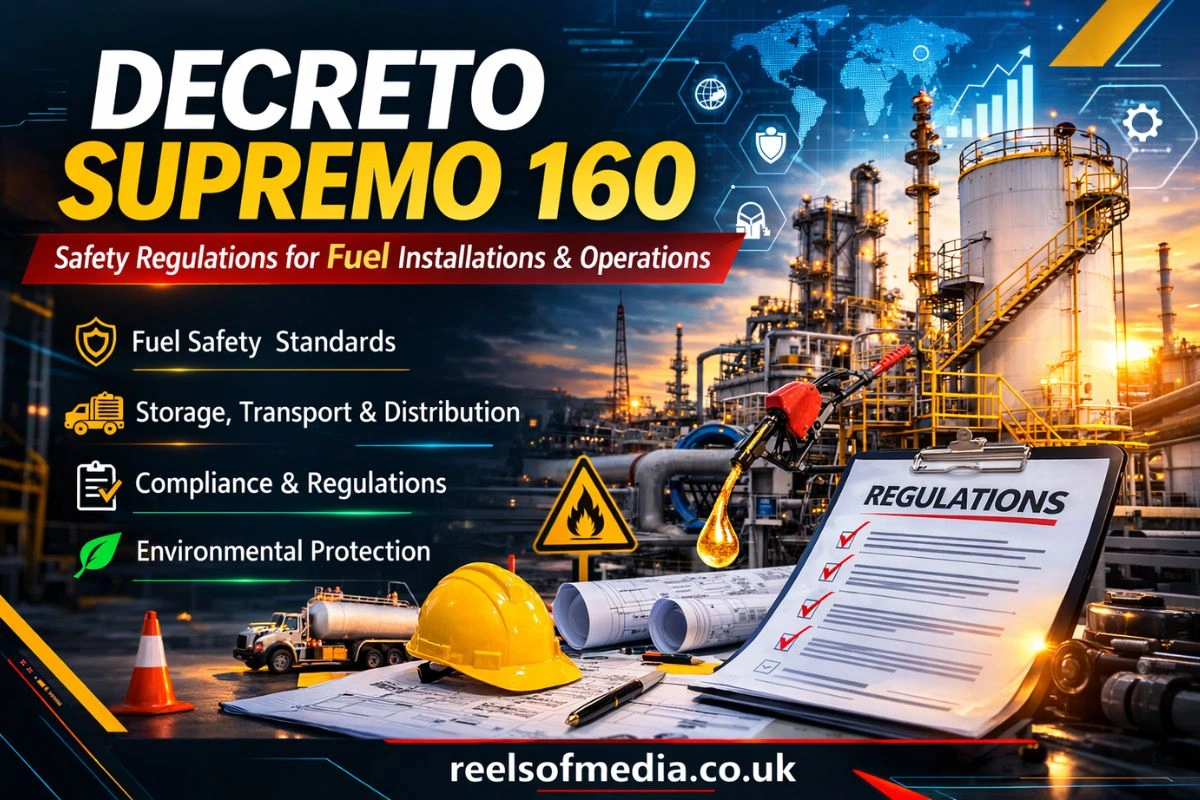
Government regulations play an essential role in ensuring that industries operate safely and responsibly. One important regulatory framework in the energy sector is Decreto Supremo 160, a legal decree that establishes strict safety standards for fuel-related installations and operations. It serves as a key guideline for companies involved in the production, storage, transport, and distribution of liquid fuels.
The regulation was introduced to reduce risks associated with fuel handling and to ensure that facilities meet specific safety requirements. By setting technical standards and operational procedures, Decreto Supremo 160 helps protect workers, communities, and the environment from potential hazards linked to fuel infrastructure.
Understanding Decreto Supremo 160
Decreto Supremo 160 is a government regulation that outlines safety requirements for installations and operations involving liquid fuels. The decree was issued to regulate activities related to the production, refining, transportation, storage, and distribution of fuels.
The regulation focuses on preventing accidents such as leaks, explosions, fires, and environmental contamination. It also establishes clear responsibilities for companies and operators who manage fuel infrastructure. Compliance with this decree is essential for maintaining operational safety and avoiding legal or regulatory penalties.
In addition to defining safety measures, the regulation also establishes inspection procedures and technical standards that must be followed throughout the lifecycle of fuel installations.
Purpose and Objectives of the Regulation
The primary goal of Decreto Supremo 160 is to ensure that fuel-related activities are carried out in a safe and controlled manner. Liquid fuels are highly flammable and potentially dangerous if not handled properly. This regulation provides a framework to minimize these risks.
The main objectives include:
-
Ensuring the safe design and construction of fuel installations
-
Establishing operational safety procedures
-
Preventing environmental damage caused by fuel leaks or spills
-
Protecting workers and nearby communities
-
Standardizing safety requirements across the fuel industry



By implementing these objectives, the regulation contributes to a safer energy infrastructure.
Scope of Activities Covered
Decreto Supremo 160 applies to a wide range of activities within the fuel industry. The decree regulates different stages of fuel handling and infrastructure operations.
Fuel Production and Refining
Facilities involved in producing or refining liquid fuels must follow strict technical guidelines. These include requirements for equipment safety, facility design, and emergency response systems.
Fuel Storage Facilities
Storage installations such as tanks and fuel depots must meet specific safety standards. These standards address tank construction, leak detection systems, fire protection mechanisms, and maintenance procedures.
Fuel Transportation
Transporting fuels by pipelines, trucks, or other methods involves potential safety risks. The regulation establishes procedures and technical requirements to ensure safe fuel transportation and minimize accident risks.
Distribution Systems
Fuel distribution networks, including service stations and supply systems, must comply with safety standards to prevent leaks, spills, or fire hazards.
Key Safety Requirements
The regulation includes numerous safety measures designed to reduce the risk of accidents. These measures focus on both infrastructure and operational practices.
Installation Design and Construction
Facilities must be designed using approved engineering standards. This includes structural integrity, proper ventilation systems, fire protection equipment, and safe distances between installations and surrounding structures.
Inspection and Maintenance
Regular inspections are required to ensure that fuel installations remain in safe working condition. Operators must conduct routine maintenance, identify potential hazards, and repair any issues promptly.
Emergency Response Planning
Fuel facilities must have clear emergency response plans. These plans include procedures for dealing with fires, fuel leaks, explosions, or other hazardous incidents.
Training employees to handle emergencies is also a crucial part of compliance.
Environmental Protection
Preventing environmental damage is a major focus of the regulation. Measures are required to avoid fuel spills and to contain leaks quickly if they occur. Proper waste management and environmental monitoring are also important components.
Importance for the Fuel and Energy Industry
Decreto Supremo 160 plays a critical role in maintaining safety within the energy sector. Fuel-related operations involve high risks due to the flammable nature of liquid fuels. Without clear safety guidelines, accidents could cause serious harm to people and the environment.
By establishing detailed regulations, the decree helps companies operate responsibly while maintaining high safety standards. It also encourages businesses to invest in safer infrastructure and modern safety technologies.
For industry professionals, understanding and complying with this regulation is essential. It ensures that facilities operate legally and reduces the risk of accidents that could disrupt operations.
Compliance and Regulatory Oversight
Compliance with Decreto Supremo 160 is monitored through inspections and regulatory oversight. Authorities responsible for energy and safety regulations ensure that companies follow the established guidelines.
Companies must provide documentation showing that their installations meet technical standards. They may also be required to conduct safety assessments, risk analyses, and periodic audits.
Failure to comply with the regulation can lead to penalties, operational restrictions, or even the suspension of facility operations.
Benefits of Implementing the Regulation
While regulatory compliance may seem complex, the implementation of Decreto Supremo 160 provides several long-term benefits.
First, it significantly improves operational safety by reducing the likelihood of accidents. Second, it protects companies from financial losses associated with disasters or environmental damage.
Another benefit is the increased trust from communities and regulatory authorities. When companies demonstrate commitment to safety and environmental responsibility, they strengthen their reputation and credibility.
Additionally, well-maintained infrastructure often leads to greater efficiency and reliability in fuel operations.
Challenges in Implementation
Despite its benefits, implementing the regulation can present challenges for some organizations. Upgrading existing infrastructure to meet safety standards may require significant investment.
Companies may also need to train employees, update operational procedures, and conduct regular safety evaluations. These processes require time, expertise, and financial resources.
However, most industry experts agree that the long-term advantages of improved safety and compliance outweigh the initial costs.
The Future of Fuel Safety Regulations
Energy regulations continue to evolve as technology advances and environmental concerns grow. Regulations like Decreto Supremo 160 may be updated over time to incorporate new safety technologies and stricter environmental standards.
Future improvements could include advanced monitoring systems, automated leak detection technologies, and improved risk management strategies.
As the global energy industry moves toward safer and more sustainable operations, regulations like this will remain an essential part of responsible fuel management.
Conclusion
Decreto Supremo 160 is an important regulatory framework designed to ensure the safe handling, storage, and transportation of liquid fuels. By establishing strict safety standards and operational guidelines, the regulation helps protect workers, communities, and the environment from potential hazards.
For companies operating in the fuel and energy industry, compliance with this decree is not only a legal requirement but also a crucial step toward maintaining safe and efficient operations. As safety expectations continue to grow worldwide, regulations like this will play a key role in shaping the future of responsible energy infrastructure.
FAQs
What is Decreto Supremo 160?
Decreto Supremo 160 is a government regulation that establishes safety standards for fuel installations and operations, including production, storage, transport, and distribution of liquid fuels.
Why was this regulation created?
The regulation was introduced to reduce accidents, prevent environmental damage, and ensure that fuel facilities operate under strict safety standards.
Which industries must follow this regulation?
Industries involved in fuel production, refining, transportation, storage, and distribution must comply with the requirements outlined in the regulation.
What safety measures are included in the regulation?
The regulation includes requirements for facility design, regular inspections, emergency response planning, environmental protection measures, and operational safety procedures.
Why is compliance important?
Compliance helps companies operate safely, avoid legal penalties, and protect workers, communities, and the environment from fuel-related hazards.