

Falotani has no single verified meaning. That is the direct answer, and it explains most of the confusion around the word. No dictionary, encyclopedia, or historical record establishes Falotani as the traditional name of an ancient practice, a real place, or a classic dish. Yet web pages use the same word for all three, and some use it for a modern personal development idea as well.
This article separates the claims from the facts. It shows what each popular description of Falotani actually refers to, which parts rest on real and documented knowledge, and how you can test any new claim about the word in a few minutes.
The Four Meanings Attached to Falotani
Search results do not describe one subject. They describe at least four, and the descriptions contradict each other. A word that genuinely named one old tradition would not change identity from page to page. The table below sums up the situation.
| How Falotani is described | What it usually refers to | What can actually be verified |
|---|---|---|
| An ancient healing art | Slow rhythmic movement, controlled breathing, and meditation, said to come from Pacific island communities. | No historical record under this name. Slow movement and breathing can relax people, but that is true of gentle exercise in general, not proof of an ancient system. |
| A Pacific navigation system | Crossing the open ocean without instruments by reading stars, swells, wind, and birds. | The skill is real and well documented. Its recorded name is Polynesian wayfinding. Falotani is a recent label placed on top of it, not the historical name. |
| A traditional dish | A stuffed flatbread filled with vegetables, herbs, or meat, served at gatherings. | The documented dish matching this description is Bolani, a stuffed flatbread from Afghanistan. The similar name is the likely source of the mix up. |
| A modern mindset or brand name | A philosophy of balancing tradition with adaptation, or a food and lifestyle platform using the name. | These are recent uses of the word. They may be useful ideas, but they are not evidence of an ancient origin. |
Why One Word Picked Up So Many Meanings
Falotani is a useful case study in how a word can look established online without being established anywhere else. Four habits of the modern web created the tangle:
- The copy loop: one page publishes a confident description, later pages repeat it, and repetition starts to look like confirmation. It is not. Ten copies of one guess are still one guess.
- Search demand rewards certainty: a page that says “ancient healing art” in a firm tone often ranks and gets shared faster than a page that honestly says the origin is unclear.
- Real traditions get renamed: giving a documented practice a fresh, exotic sounding label makes it easier to package as a course, a method, or a brand.
- Similar names collide: Bolani is a real dish with a similar sound, so recipe content written for one name drifts onto the other.
None of this requires bad intent in every case. Writers copy what they find, and an attractive word with no owner spreads quickly. The result, though, is the same for the reader: confident text that cannot be traced back to anything older than the websites repeating it.
“An ancient practice leaves older traces than the web pages praising it. If every description of a tradition starts with recent websites, treat the claim as modern until older evidence appears.”
What Is Genuinely Documented: Pacific Wayfinding
The strongest Falotani claims borrow from a real achievement. Long before compasses and satellite navigation, Pacific voyagers settled islands scattered across the largest ocean on Earth, and they did it deliberately. Their navigation was a trained skill, passed from teacher to student over years of practice at sea.
The core tool was memory, organized as a star compass. The navigator divided the horizon into sections, often called houses, and memorized where key stars rise and set in each one. Steering by a rising star, then switching to the next as the sky turned, held the canoe on course through the night. Stars passing directly overhead gave latitude: Arcturus, for example, passes almost directly above Hawaii, so a navigator sailing toward those islands watched for that star at the zenith.



Daylight did not end the system. The direction of the ocean swell continued the same reference frame, because deep water swells hold their direction for long distances and a skilled navigator could feel changes through the hull. Seabirds added land clues, since many species fly out to feed in the morning and return to an island at night.

The proof that this worked is modern and specific. In 1976, the voyaging canoe Hokulea sailed from Hawaii to Tahiti in 31 days, guided without instruments by Mau Piailug, a master navigator from the island of Satawal. Piailug later taught Hawaiian navigators, including Nainoa Thompson, and the revival that followed restored voyaging as a living practice.
Hold on to the distinction that matters. The 1976 voyage validates the skill of Pacific wayfinding. It does not validate the word Falotani, which does not appear as the name of this tradition in its own records. The knowledge is real. The label is new.
The Dish Behind the Recipe Claims: Bolani
If you arrived here looking for a recipe, the dish you want is almost certainly Bolani. Bolani is a stuffed flatbread from Afghanistan, associated in particular with Kabul. Thin dough is rolled out, filled, folded, and pan fried until the crust turns crisp and golden in spots.
The fillings explain why descriptions of the dish sound so consistent even when the name is wrong:
- Potato, lightly spiced, the most common filling
- Leeks, traditionally a local variety called gandana, which tastes similar to garlic chives
- Pumpkin, red lentils, chives, or minced meat in other versions
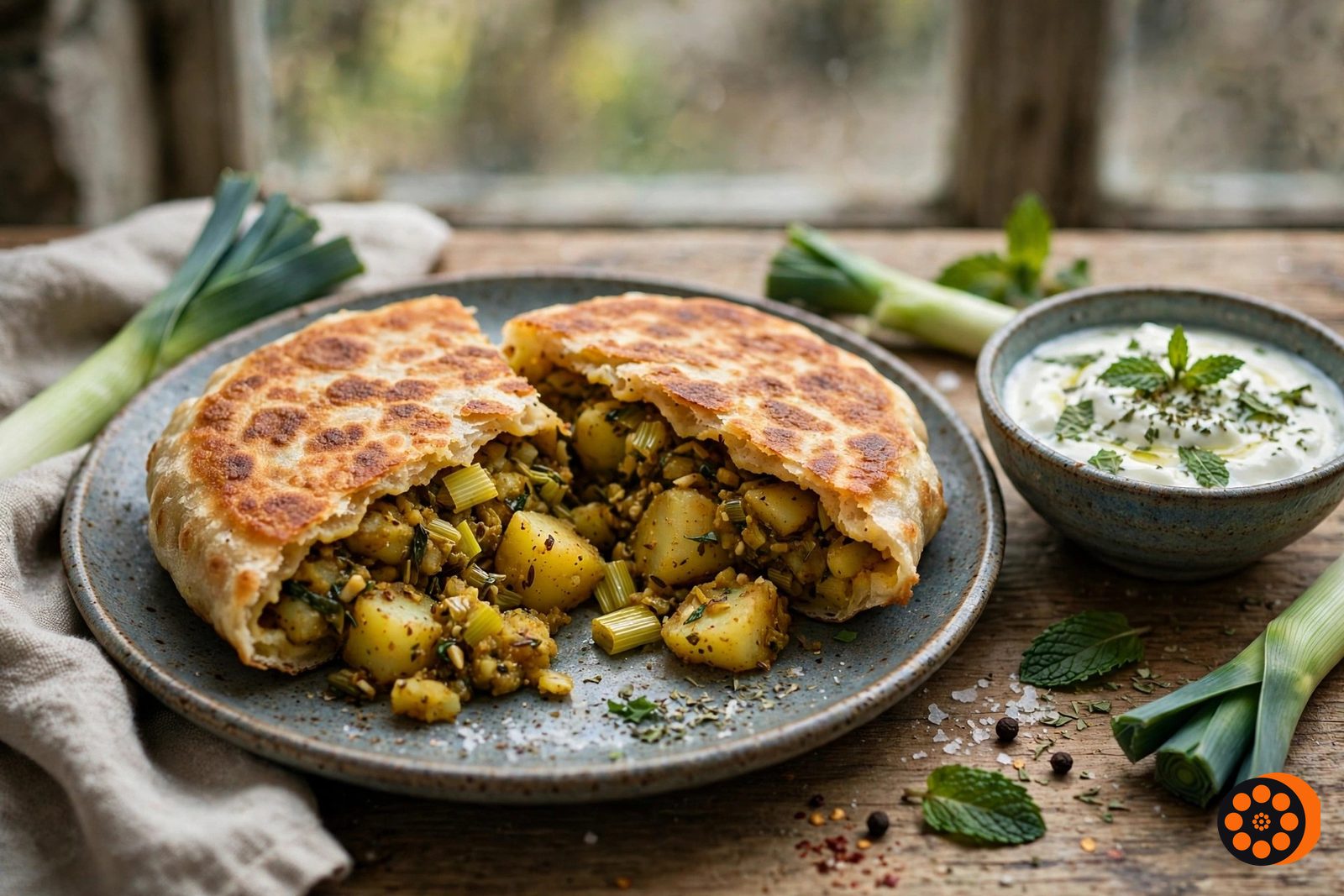
Bolani is everyday street food in Afghan cities and is also made for birthdays, engagements, and holidays. It is served hot, usually with plain yogurt or mint yogurt for dipping. If you cook it at home, three practical points decide the result: roll the dough thin, do not overfill it or the crust tears, and fry it in a hot pan so the outside crisps before the filling steams it soft.
The Healing and Mindset Versions: What You Can Safely Take From Them
Some pages present Falotani as a healing practice built on slow movement, breathing patterns, and quiet meditation. Treat the ingredients and the label separately. Gentle movement keeps joints mobile, slow breathing helps many people settle their attention, and quiet sitting can reduce the feeling of being rushed. Those are ordinary, well understood effects of calm physical activity. No reliable evidence shows that a system named Falotani treats pain, illness, or any medical condition, and no such practice should replace medical care, prescribed treatment, or urgent help for serious symptoms.

The mindset version of Falotani is more modest and, used honestly, more useful. Stripped of the ancient framing, it comes down to three habits:
- Keep inherited knowledge that still works instead of discarding it for novelty
- Test changes in small, reversible steps and note the results
- Take responsibility for long term effects on people and resources, not just quick wins
Those habits are sound craft and management practice in any field. They do not need a mysterious origin story to be worth following, and their value does not prove the origin story either.
How to Check Any Falotani Claim in Five Minutes
You do not need specialist training to test a claim like this. Five quick checks expose most weak ones:
- Ask for the oldest record. A genuine old tradition appears in books, records, or scholarship that predate the websites promoting it.
- Ask which community owns it. Real traditions belong to named people in named places, and members of that community describe them in their own words.
- Separate the skill from the label. Wayfinding and Bolani survive this test easily. Only the word Falotani fails it.
- Compare wording across pages. Identical phrases, identical session timings, and identical tables on many sites usually mean copying, not independent confirmation.
- Follow the money. Claims used to sell courses, certificates, or secret teachings deserve more scrutiny, not less.
Common Mistakes Readers Make
- Treating the first search result as the authority, when ranking reflects popularity and optimization, not accuracy
- Assuming an old sounding name proves an old practice
- Searching for a Falotani recipe when the dish they want is Bolani, then wondering why results stay vague
- Paying for training in a named ancient system before checking whether the system is documented anywhere
- Dismissing Pacific wayfinding itself because the Falotani label is unreliable. The skill is real even though the label is not
The Bottom Line
Falotani is best understood as a modern word in search of a meaning. Online, it has been attached to a healing practice, a navigation tradition, a flatbread, and a personal philosophy, without credible evidence that it historically names any of them. The honest version of this topic is also the interesting one: behind the label stand real things worth your attention, especially Pacific wayfinding, one of the great intellectual achievements in human history, and Bolani, a genuinely delicious Afghan dish. Enjoy both under their real names, and let Falotani itself remain what the evidence says it is: unverified. For more explainers like this one, browse our Blog and Travel sections.
Frequently Asked Questions
What is Falotani?
Falotani is a word used online for several unrelated things, including a supposed ancient healing art, Pacific ocean navigation, a stuffed flatbread, and a modern mindset about tradition and adaptation. It has no single verified definition, and no historical record establishes it as the traditional name of any of them.
Is Falotani an ancient tradition?
There is no credible evidence that it is. Descriptions of Falotani as an ancient practice appear only in recent web content and contradict each other, which is the opposite pattern of a real tradition with a traceable history and a living community behind it.
Is Falotani a real place?
No verifiable place by that name is documented. Pages describing Falotani as a travel destination offer generic praise without the basic facts a real location has, such as a country, a map position, or a local administration.
Is Falotani a food?
Not under that name. The stuffed flatbread described in Falotani recipe pages is Bolani, a documented Afghan dish filled with potato, leek, pumpkin, lentils, or meat, pan fried and served with yogurt. Searching for Bolani will give you accurate recipes.
Did Pacific navigators really cross the ocean without instruments?
Yes. Pacific wayfinding is thoroughly documented, and in 1976 the canoe Hokulea sailed from Hawaii to Tahiti in 31 days without instruments, navigated by master navigator Mau Piailug using stars, swells, wind, and bird behaviour. That tradition is real; it simply was never historically called Falotani.
Can practicing Falotani improve my health?
Slow movement, calm breathing, and meditation can help you relax and stay gently active, and those benefits are worth having. But there is no evidence that a system named Falotani treats any medical condition, so enjoy the activities for what they are and keep proper medical care for health problems.