

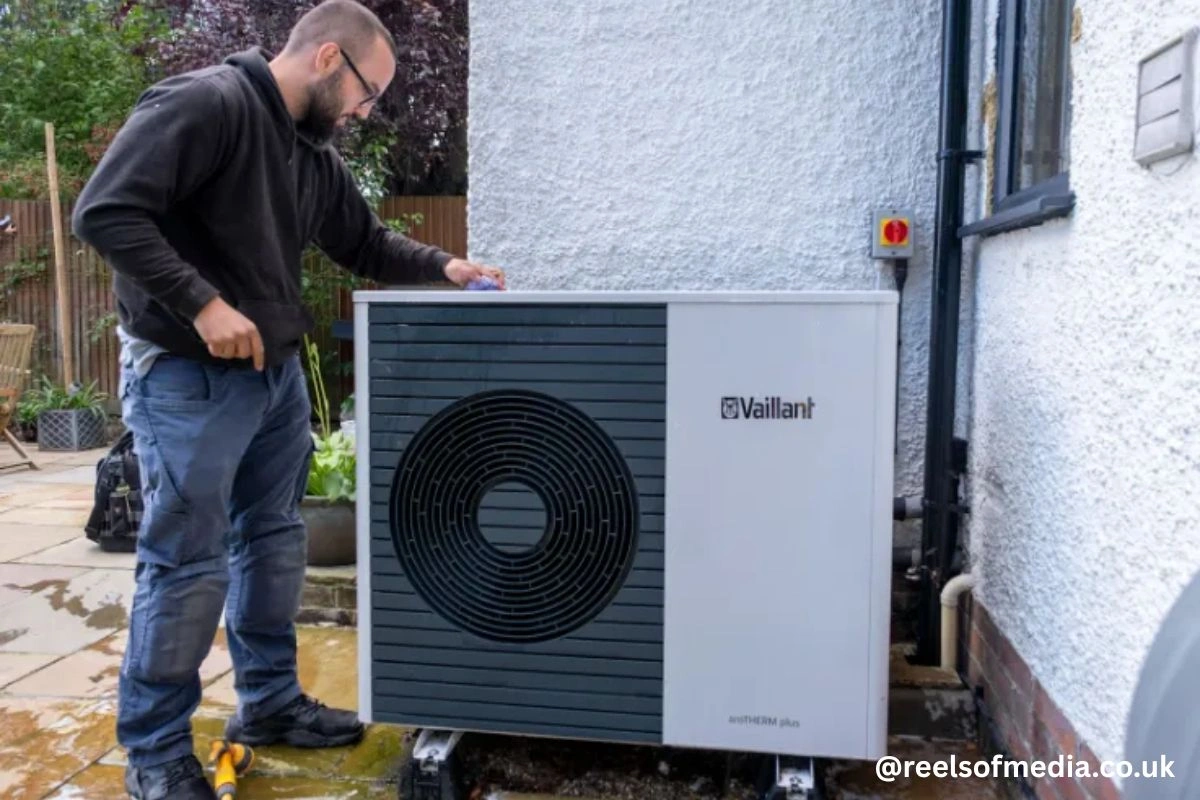
The Boiler Upgrade Scheme (BUS) is a treasury scheme intended to incentivise homeowners and property owners to install low-carbon heating systems. The initiative began in the UK in May 2022, which aims to offer funding for people who switched from old-fashioned gas and oil boiler-powered systems to greener technology such as heat pumps and biomass boiler systems.
This program forms part of the UK’s larger strategy of its drive towards net-zero carbon by 2050. This means heating is responsible for a large part of carbon emissions in the UK, thus calling for efficient change.
Over the course of this blog, readers will learn everything from what the Free Boiler Upgrade Scheme is, who can apply for it, how it functions, and why it is crucial in the fight against climate change.
Why Was the Boiler Upgrade Scheme Introduced?
Warming of homes and structures is considered one of the significant sources of carbon emission and contributes to a 19% in the United Kingdom. Currently installed boilers are mostly gas or oil-based, which are known to release large amounts of carbon monoxide.
The extension of the Boiler Upgrade Scheme was done to counter this by providing incentives for low-carbon heating. By transitioning to renewable energy sources, the UK government hopes to:
- Reduce the nation’s carbon footprint.
- Lower energy bills for households over the long term.
- Promote the adoption of renewable energy technologies.
- Support the country’s climate goals, including net-zero by 2050.
It complements the UK’s Heat and Buildings Strategy: a strategy that aims at phasing out gas boilers and promoting more sustainable solutions.
What Technologies Does the Boiler Upgrade Scheme Support?
The Boiler Upgrade Scheme focuses on promoting three main types of low-carbon heating systems:
1. Air Source Heat Pumps (ASHP)
Air source heat pumps extract heat from the outside air to heat your home and water. They are highly efficient and can reduce your carbon emissions significantly compared to traditional boilers.



2. Ground Source Heat Pumps (GSHP)
Ground source heat pumps use the earth’s natural heat, extracting energy through pipes buried underground. Although they have a higher installation cost, they offer even greater efficiency and long-term savings.
3. Biomass Boilers
Biomass boilers burn organic materials, such as wood pellets, to generate heat. These systems are considered carbon-neutral because the CO2 released during combustion is offset by the CO2 absorbed during the growth of the biomass.
How Does the Boiler Upgrade Scheme Work?
The Boiler Upgrade Scheme provides financial support to help property owners cover the upfront costs of installing low-carbon heating systems. Here’s how it works:
Financial Incentives
The scheme offers the following grants:
- £5,000 for installing an air source heat pump.
- £6,000 for installing a ground source heat pump.
- £5,000 for installing a biomass boiler (limited to rural areas and properties not connected to the gas grid).
These grants are applied directly to the installation cost, reducing the financial burden for property owners.
Who Is Eligible for the Boiler Upgrade Scheme?
The Boiler Upgrade Scheme is open to homeowners, private landlords, and small business property owners in England and Wales. However, there are specific eligibility criteria:
Property Requirements
- The property must be located in England or Wales.
- Newly built homes are not eligible unless they are self-built properties.
- The property must have an Energy Performance Certificate (EPC), ideally with no outstanding insulation recommendations.
Heating System Requirements
- The existing heating system must be a fossil fuel boiler (e.g., gas, oil, or coal).
- The grant cannot be used to replace an existing low-carbon system.
Installer Requirements
To qualify for the grant, the installation must be carried out by an MCS-certified installer (Microgeneration Certification Scheme). These professionals are trained to ensure installations meet high standards.
How to Apply for the Boiler Upgrade Scheme
Applying for the Boiler Upgrade Scheme is straightforward:
- Choose a Low-Carbon Heating System
Decide whether an air source heat pump, ground source heat pump, or biomass boiler is the best fit for your property. - Find an MCS-Certified Installer
Locate an accredited installer who can assess your property, provide recommendations, and guide you through the application process. - Submit an Application
Your installer will handle the application on your behalf. They will apply for the grant and deduct the amount from your installation cost once approved. - Approval and Installation
Once the grant is approved, the installer will proceed with the installation.
Benefits of the Boiler Upgrade Scheme
Switching to a low-carbon heating system through the Boiler Upgrade Scheme offers numerous benefits:
1. Lower Carbon Emissions
Heat pumps and biomass boilers significantly reduce your household’s carbon footprint, contributing to a cleaner environment, and programs like air source heat pump grants make these eco-friendly upgrades more affordable for homeowners.
2. Reduced Energy Bills
Although the upfront cost can be high, low-carbon systems are more energy-efficient, leading to long-term savings on energy bills.
3. Increased Property Value
Homes with energy-efficient heating systems are often more attractive to buyers, potentially increasing your property’s value.
4. Government Support
The grant reduces the financial barrier, making sustainable heating systems more accessible.
How Does the Boiler Upgrade Scheme Compare to Other Incentives?
The Boiler Upgrade Scheme replaces the Renewable Heat Incentive (RHI), which provided ongoing payments over seven years for renewable heating systems. Unlike the RHI, the BUS offers an upfront grant, making it more appealing to homeowners looking for immediate support.
Other government programs, such as the Energy Company Obligation (ECO), also aim to improve energy efficiency but focus more on insulation and heating upgrades for low-income households.
Future of the Boiler Upgrade Scheme
The Boiler Upgrade Scheme is currently funded through March 2028, with an extended budget to support the wider adoption of low-carbon heating systems across the UK. While this is a significant investment, critics argue that the funding is insufficient to meet the UK’s climate goals.
To boost adoption, experts recommend:
- Increasing public awareness of the scheme.
- Expanding the budget to support more households.
- Simplifying the application process.
Is the Boiler Upgrade Scheme Right for You?
If you’re considering upgrading your home’s heating system, the Boiler Upgrade Scheme can make the transition to low-carbon technology more affordable. However, it’s essential to:
- Assess your property’s suitability for a heat pump or biomass boiler.
- Consult with an MCS-certified installer to understand your options.
Investing in a low-carbon heating system is not just about reducing your energy bills – it’s about contributing to a sustainable future.
Conclusion
The Boiler Upgrade Scheme is a welcome move toward a green Britain since it provides incentives for landlords who want to switch from old conventional boilers to modern green ones. This way, you’ll lower your carbon footprint, cut your energy bills, and make your home more resilient to potential future changes.
Given the increasing relevance of climate change, low-carbon measures such as the Boiler Upgrade Scheme help fill the gap effectively. This is your chance to participate in the change – take a minute and find out if you’re qualified!