

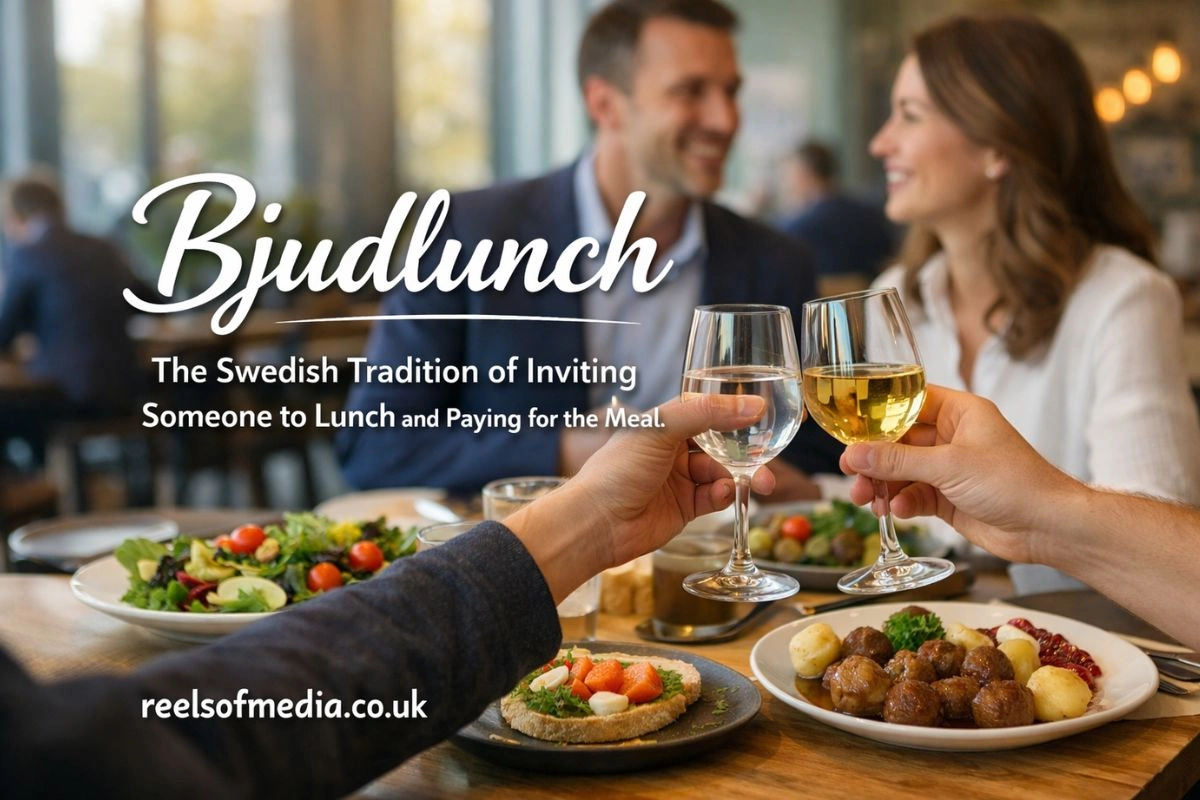
In Swedish culture, sharing a meal is often seen as an opportunity to build relationships, express appreciation, and create a relaxed space for conversation. Lunch gatherings in particular are common in both professional and personal life, where people meet to discuss ideas, strengthen friendships, or simply spend quality time together. These gatherings are usually informal and comfortable, allowing people to communicate openly while enjoying a meal.
One well-known tradition connected with this practice is Bjudlunch, a concept that reflects generosity and hospitality. It involves inviting someone to lunch and covering the cost of the meal as a gesture of goodwill. This simple act can help strengthen connections between colleagues, friends, or business partners while encouraging meaningful discussions in a friendly environment.
What Is Bjudlunch?
A Bjudlunch refers to a lunch invitation where one person treats another person to a meal. Unlike situations where people split the bill, the host clearly takes responsibility for covering the cost. This practice removes the awkwardness sometimes associated with payment and allows both people to focus on enjoying the meal and conversation.
In many cases, Bjudlunch serves a practical purpose. It creates an opportunity for individuals to discuss ideas, collaborate, or simply connect in a comfortable setting. The relaxed nature of lunch meetings often makes them more productive than formal office discussions.
Key characteristics of a Bjudlunch include:
- One person invites another to lunch
- The inviter pays for the meal
- The purpose may be social, professional, or celebratory
- The focus is on building relationships and meaningful conversation
Although simple, this tradition reflects important values in Swedish society such as respect, generosity, and equality.
The Cultural Significance of Bjudlunch
In Sweden, shared meals play an important role in social life. A Bjudlunch is more than just paying for someone’s lunch; it represents a thoughtful gesture that strengthens personal and professional relationships.
One reason the tradition is valued is that it promotes equality and openness. Swedish culture generally favors informal interactions rather than rigid hierarchies. Inviting someone to a Bjudlunch creates a friendly environment where both parties feel comfortable sharing ideas and opinions.



Another cultural element behind Bjudlunch is hospitality. Offering to treat someone to lunch shows appreciation and respect, whether it is directed toward a colleague, a mentor, or a friend. It is a way of expressing gratitude without needing elaborate gestures.
Bjudlunch in Business and Professional Settings
One of the most common uses of Bjudlunch occurs in the workplace. Many professionals in Sweden prefer to discuss business matters over lunch rather than in a formal meeting room. This approach helps create a relaxed atmosphere where communication flows more naturally.
Business-related Bjudlunch meetings may include:
Client Meetings
Companies often invite clients to a Bjudlunch to discuss projects, partnerships, or potential collaborations. Sharing a meal helps build trust and makes negotiations more comfortable.
Networking Opportunities
Professionals sometimes arrange Bjudlunch meetings to expand their networks. Meeting over lunch allows people to exchange ideas while also forming personal connections.
Job Interviews or Career Discussions
Employers may invite candidates or employees to a Bjudlunch to talk about opportunities, promotions, or professional growth.
In many cases, the host is usually the person initiating the meeting, and covering the cost is considered part of the invitation.
Social and Personal Uses of Bjudlunch
Beyond the workplace, Bjudlunch is also common in personal relationships. Friends, family members, and acquaintances may invite each other to lunch simply to spend time together.
Examples of social Bjudlunch situations include:
- Celebrating a small achievement
- Thanking someone for their help
- Catching up with friends
- Welcoming someone new to a group
These gatherings are usually informal and relaxed. The focus is on enjoying the company of others rather than the meal itself.
Etiquette and Expectations of a Bjudlunch
Understanding the etiquette behind a Bjudlunch is important, especially for those unfamiliar with Swedish social customs. While the concept is straightforward, a few unwritten rules often apply.
The Host Pays
The person who extends the invitation is expected to pay for the meal. This is considered polite and consistent with the meaning of the word “bjuda,” which implies treating someone.
Appreciation Matters
The guest typically expresses gratitude to the host, either during the meal or afterward.
Future Reciprocity
Although not required, it is common for the guest to return the gesture at another time by inviting the host to a Bjudlunch.
Keep the Atmosphere Relaxed
The main goal is friendly conversation and relationship-building, so the tone of the meeting is usually informal.
Following these simple guidelines ensures that both parties enjoy the experience.
Why Bjudlunch Is Still Relevant Today
Despite changes in work culture and digital communication, Bjudlunch remains a meaningful tradition. In fact, the concept has become even more valuable in modern professional life where building genuine relationships is essential.
A face-to-face lunch meeting allows people to connect in ways that emails or virtual meetings cannot always achieve. Sharing a meal naturally encourages discussion, collaboration, and understanding.
Additionally, many businesses recognize that informal interactions often lead to stronger partnerships and better communication. For this reason, Bjudlunch continues to be widely practiced in Sweden and sometimes adopted by international professionals working with Swedish companies.
Benefits of a Bjudlunch
There are several reasons why the idea of Bjudlunch is beneficial in both personal and professional contexts.
Builds Strong Relationships
Sharing a meal creates a comfortable environment for meaningful conversations.
Encourages Open Communication
Lunch meetings are less formal than office meetings, allowing people to speak more freely.
Strengthens Professional Networks
Inviting someone to a Bjudlunch can help develop valuable business connections.
Shows Appreciation
Treating someone to lunch is a simple but effective way to express gratitude.
These benefits explain why the tradition continues to thrive in Swedish culture.
Bjudlunch vs Regular Lunch Meetings
Although the concept may seem similar to a standard lunch meeting, there are subtle differences between the two.
| Aspect | Bjudlunch | Regular Lunch Meeting |
| Payment | Host pays for the meal | Bill may be split |
| Cultural Meaning | Symbol of generosity and hospitality | Mainly practical meeting |
| Atmosphere | Friendly and relationship-focused | Often more formal |
| Purpose | Networking, appreciation, discussion | Business or casual meeting |
This distinction highlights why Bjudlunch carries cultural importance beyond simply sharing food.
Conclusion
Bjudlunch is a meaningful Swedish tradition that reflects generosity, hospitality, and the importance of personal connections. By inviting someone to lunch and covering the cost of the meal, the host demonstrates appreciation and respect while creating an opportunity for relaxed conversation.
Whether used in business meetings, networking events, or friendly gatherings, the concept of Bjudlunch helps strengthen relationships and encourages open communication. Even in a world increasingly dominated by digital interactions, this simple yet thoughtful tradition continues to play a valuable role in Swedish social and professional life.
Understanding the meaning and etiquette behind Bjudlunch offers valuable insight into Scandinavian culture and highlights how shared meals can bring people closer together.
FAQs
What is Bjudlunch and what does it mean?
Bjudlunch is a Swedish tradition where one person invites another to lunch and pays for the meal. It is commonly used to show appreciation, strengthen relationships, or create a relaxed setting for conversation between colleagues, friends, or business partners.
Why is inviting someone to lunch an important social gesture in Sweden?
Inviting someone to lunch is considered a thoughtful and friendly way to build trust and maintain relationships. Sharing a meal allows people to communicate openly and connect in a comfortable environment outside of formal settings.
Is this type of lunch invitation used in professional settings?
Yes, it is frequently used in workplaces and business environments. Many professionals prefer meeting over lunch because it creates a relaxed atmosphere where ideas and discussions can flow more naturally.
Do guests usually return the invitation later?
In many cases, the guest may return the gesture at another time by inviting the host to lunch. While it is not required, this mutual exchange helps maintain balanced and positive relationships.
Where do people usually meet for this type of lunch?
These lunches often take place in restaurants, cafés, or casual dining places where people can enjoy a comfortable setting while talking and spending time together.