

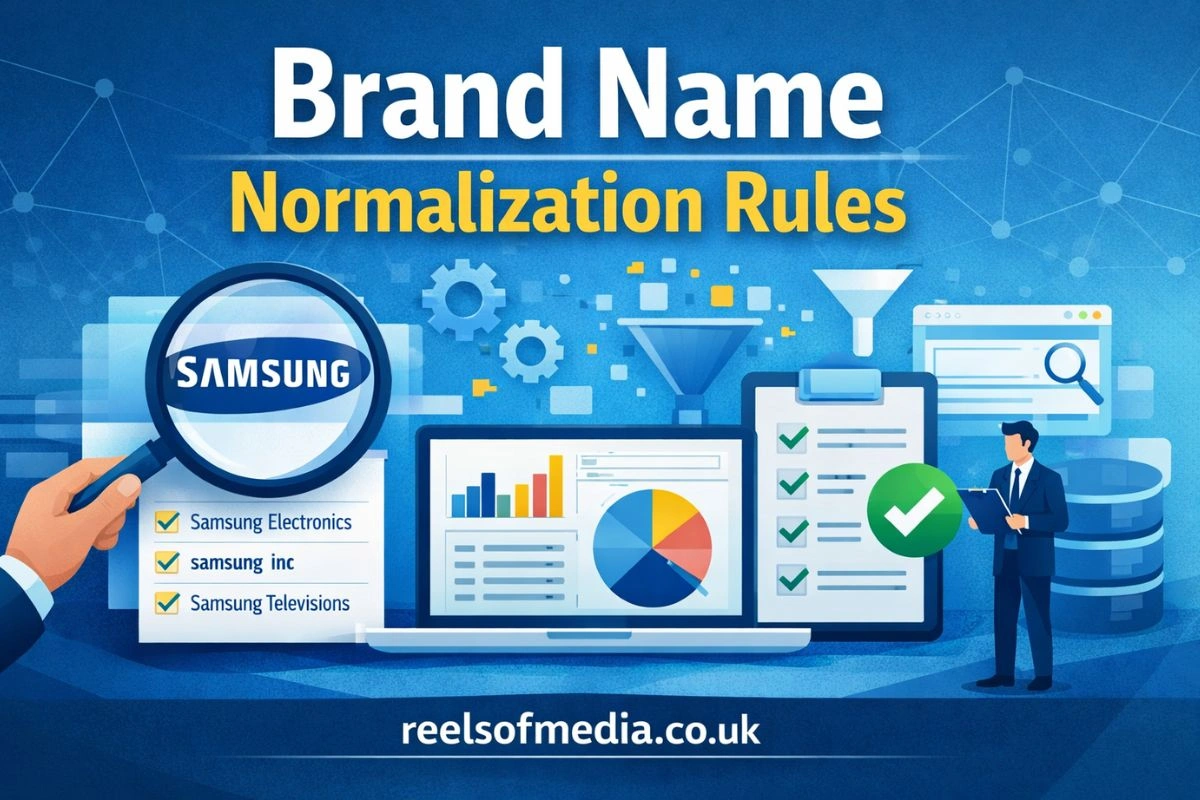
Brand name normalization rules are essential for ensuring that every mention of a brand appears consistently across all platforms, systems, and content channels. By defining a canonical brand name and mapping all variants to it, organizations can maintain data accuracy, improve search engine recognition, and provide a seamless experience for users interacting with their brand. Without these rules, inconsistencies in spelling, capitalization, or punctuation can lead to duplicate entries, fragmented analytics, and weaker brand recognition.
Implementing brand name normalization rules not only strengthens internal data management but also supports SEO and marketing efforts. Consistent naming helps search engines understand brand entities, improves visibility in branded searches, and ensures that product listings, content, and reports are all aligned. Companies of all sizes can benefit from applying these rules systematically, whether in databases, content management systems, or CRM platforms, to maintain clarity, efficiency, and brand integrity.
What Are Brand Name Normalization Rules?
Definition and Core Concepts
Brand name normalization rules are guidelines for converting all brand name mentions into a single, consistent format.
-
Ensure every platform and system displays the same brand form.
-
Remove inconsistencies caused by variations in spelling, capitalization, or punctuation.
-
Establish a canonical brand name used across content, databases, and reports.
Key Terms You Need to Know
-
Canonical Name: The preferred, standardized version of a brand name.
-
Variants: Alternative spellings, punctuation, or suffixes used in the wild.
-
Normalization: Process of aligning all variants to the canonical name.
-
Standardization: Broader practice of applying rules for uniform data formatting beyond just brand names.



How Normalization Differs from Standardization
Normalization focuses on converting existing brand name variants to a single, recognized form.
-
Standardization covers formatting rules across multiple types of data.
-
Normalization is corrective; standardization is preventive.
-
Example: “Apple Inc.” and “apple” normalized to “Apple” vs. enforcing title case for all text fields.
How Brand Name Normalization Works
Step-by-Step Process for Normalizing Brand Names
-
Identify all brand name variants across systems.
-
Define a canonical name with agreed capitalization and punctuation.
-
Map variants to the canonical name in databases and content repositories.
-
Apply rules consistently across SEO, content, and product systems.
-
Periodically review and update mappings to capture new variants.
Common Techniques Used in Normalization
-
Removing legal suffixes like Inc, LLC, Ltd where not required.
-
Converting text to consistent capitalization.
-
Standardizing special characters and spacing.
-
Using automated scripts or manual checks to enforce rules.
Examples of Normalized vs. Unnormalized Brand Names
-
Unnormalized: “Samsung Electronics,” “samsung inc,” “Samsung Televisions”
-
Normalized: “Samsung”
-
Unnormalized: “Apple, Inc.,” “APPLE,” “apple”
-
Normalized: “Apple”
Who Is Responsible for Brand Name Normalization?
Roles in Marketing and Data Management Teams
Marketing teams ensure brand mentions follow company guidelines.
Data management teams maintain normalized entries in databases and CRMs.
Responsibilities of SEO Specialists and Content Managers
-
Apply normalized brand names in website content, meta tags, and titles.
-
Monitor search performance and ensure consistency across pages.
Stakeholders in Product and Inventory Systems
-
Product teams update catalog entries with canonical names.
-
Inventory systems map product variations to the standardized brand name.
Why Brand Name Normalization Matters
Importance for Data Accuracy and Consistency
Normalized names eliminate duplicate entries and discrepancies.
-
Supports accurate reporting and analytics.
-
Reduces confusion in multi-platform datasets.
Impact on Search Engines and SEO
Search engines recognize a single entity for consistent ranking.
-
Improves visibility in branded searches.
-
Avoids fragmented search authority caused by multiple variants.
Benefits for User Experience and Brand Recognition
-
Customers consistently see the correct brand name across touchpoints.
-
Builds trust and strengthens brand recognition.
Benefits of Brand Name Normalization
For Businesses and Marketing Teams
-
Simplifies brand management and marketing campaigns.
-
Enables accurate performance tracking across channels.
For Data Analysts and IT Systems
-
Reduces errors in reporting and analytics.
-
Simplifies database management and integration tasks.
For Customers and End Users
-
Provides clear, consistent brand information.
-
Enhances confidence when interacting with products or content.
Best Practices for Implementing Normalization Rules
Setting Standard Formats and Capitalization Rules
-
Decide on capitalization conventions (Title Case vs. all caps).
-
Apply rules consistently across content, databases, and metadata.
Handling Special Characters and Legal Suffixes
-
Remove unnecessary punctuation and legal suffixes unless required.
-
Standardize special characters such as &, -, and accented letters consistently across all systems.
Maintaining Canonical Brand Names Across Systems
-
Document approved canonical names.
-
Update all systems, including CRM, SEO, product catalogs, and content repositories.
Compliance and Industry Standards
Guidelines for Database and CRM Management
-
Use normalization rules in CRM fields to prevent duplicates.
-
Maintain version control and audit logs for changes.
SEO Compliance and Semantic Search Considerations
-
Ensure canonical names are applied in page titles, meta descriptions, and structured data.
-
Support entity recognition by search engines through consistent naming.
International Brand Naming Conventions
-
Adapt rules for regional languages and legal requirements.
-
Ensure translation or transliteration follows canonical naming principles.
Common Mistakes and Risks
Inconsistent Capitalization and Spelling
-
Mixing “Apple,” “APPLE,” and “apple” fragments search and reporting.
-
Correct by enforcing title case rules across all systems.
Ignoring Sub-brands and Variants
-
Treating sub-brands as the main brand can create duplicate entries.
-
Map sub-brands separately under canonical parent brands.
Duplicate Entries and Data Conflicts
-
Multiple entries for the same brand confuse analytics and search results.
-
Use audits and automated deduplication to mitigate risk.
Tools and Systems for Brand Name Normalization
Software and Platforms for Automated Normalization
-
CRM systems with normalization modules.
-
Data management platforms with rule-based standardization features.
Manual Methods and Spreadsheet Techniques
-
Mapping tables in spreadsheets.
-
Manual review and cross-checking against canonical lists.
Integration with SEO and Content Management Systems
-
Automated scripts or CMS plugins to enforce canonical names.
-
Integration with SEO tools for monitoring consistency across web content.
Actionable Checklists for Consistency
Daily and Weekly Maintenance Checklist
-
Review new brand entries for correct spelling and capitalization.
-
Verify integration across databases, CRM, and CMS.
Pre-Publishing Brand Name Verification Steps
-
Cross-check content against the canonical brand list.
-
Ensure meta tags, titles, and product listings are consistent.
Audit Checklist for Existing Brand Data
-
Identify and merge duplicate entries.
-
Confirm compliance with capitalization and special character rules.
-
Document changes and update canonical mappings.
Comparing Approaches to Normalization
Manual vs Automated Normalization Methods
-
Manual: Accurate for small datasets but time-intensive.
-
Automated: Scales efficiently, uses rules and scripts to normalize brand names.
Platform-Specific Rules vs Company-Wide Rules
-
Platform-specific: Adjusts for local requirements or system limitations.
-
Company-wide: Ensures consistency across all systems and touchpoints.
Industry Examples and Case Studies
-
E-commerce platforms normalize multiple retailer brand names to a single canonical form.
-
Marketing teams standardize social media mentions for consistent branding.
FAQs
What are brand name normalization rules and why are they important?
Brand name normalization rules are guidelines for standardizing how brand names appear across systems, content, and databases. They ensure consistency, improve search engine recognition, and prevent duplicate or conflicting entries.
How do I create a canonical brand name?
Identify all existing variants of the brand name, select the most recognized form, and apply consistent capitalization, punctuation, and suffix rules. This canonical name should be documented and applied across all platforms.
Can normalization improve SEO performance?
Yes. Standardized brand names help search engines understand brand entities, prevent keyword fragmentation, and improve visibility in branded search results.
What are common mistakes to avoid when normalizing brand names?
Common errors include inconsistent capitalization, ignoring sub-brands, leaving legal suffixes unstandardized, and failing to update databases and content repositories after normalization.
How often should brand names be audited for consistency?
Regularly review new entries daily or weekly, and conduct comprehensive audits quarterly or bi-annually to ensure that brand names remain consistent across all systems and content channels.