

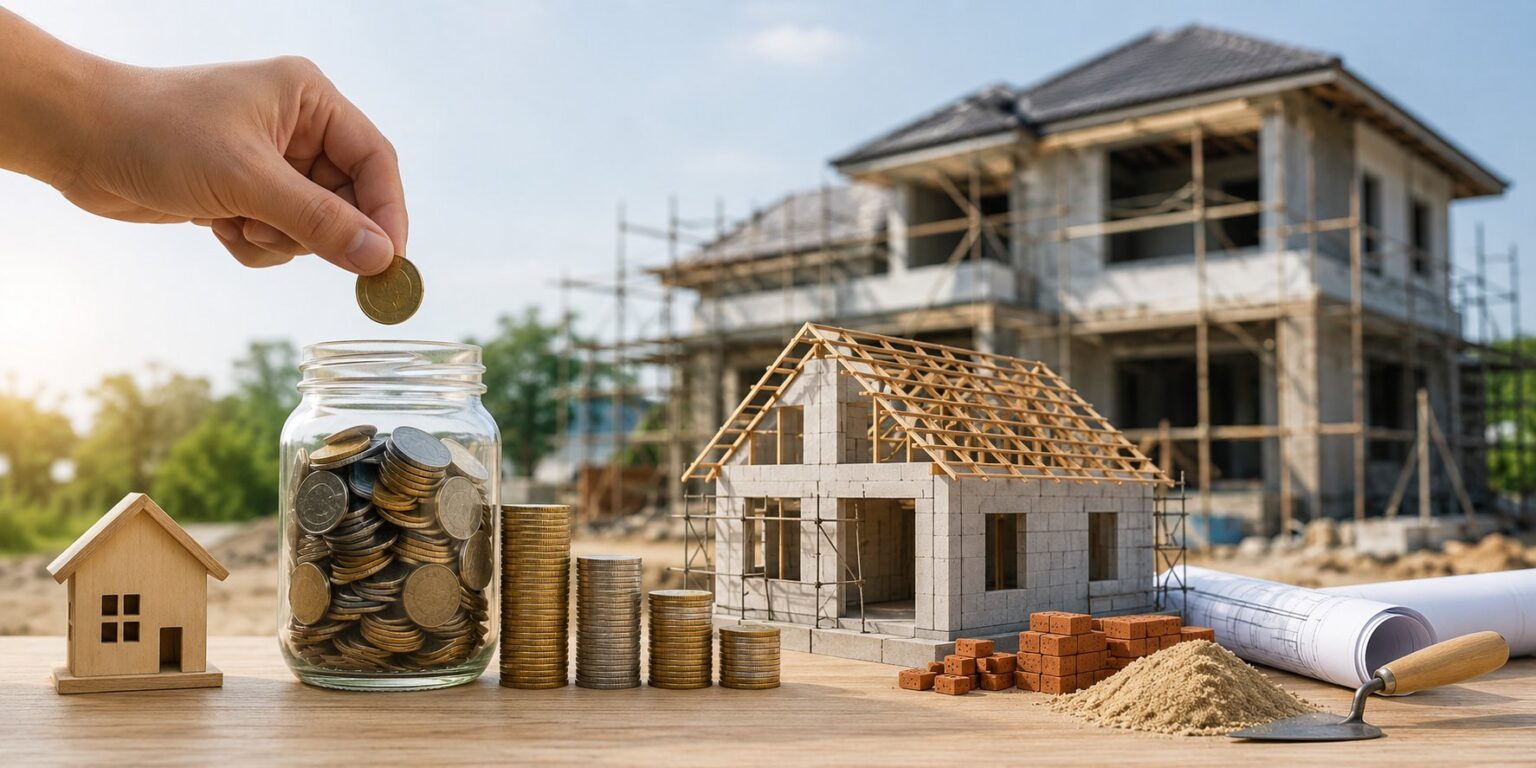
Some properties come with strong potential but serious condition issues. These homes often fall outside the comfort zone of traditional lenders. A real estate financing company is usually part of the conversation when standard options are no longer available.
Why Traditional Lenders Step Back
Banks tend to follow strict guidelines when it comes to approving loans. A property usually needs to be safe, livable, and in working condition. If it does not meet those basics, getting financing becomes much harder.
Problems like foundation issues, missing utilities, or outdated systems can quickly raise concerns. Lenders view these as risks that could affect the property’s value over time. That uncertainty often makes them pause or decline the deal.
Even a well-qualified buyer can run into issues because of the property itself. Lenders consider both the borrower and the condition of the home. If the property does not meet their standards, the deal may not move forward.
Understanding What Makes a Property Non-Livable
A property does not need to be completely uninhabitable to raise red flags. Small issues can add up and push it outside standard lending guidelines. Things like roof damage or unsafe wiring can trigger concern.
In more severe cases, properties may lack basic systems like plumbing or heating. These conditions make it difficult to qualify for conventional loans. Lenders need to ensure the home meets minimum safety standards.
Investors often see these properties differently. Where lenders see risk, investors may see opportunity. The challenge lies in securing the right type of financing to move forward.
The Role of Alternative Financing
When a bank turns down a deal, investors usually look for other ways to fund it. These options are built for situations where the risk is higher. Instead of focusing only on the current condition, they look at what the property could become after repairs.



Private lenders and niche financing groups often step in at this point. They pay more attention to the overall plan and the numbers behind the project. This gives investors more room to move forward with deals that would not qualify otherwise.
A real estate financing company that handles distressed properties understands how these deals work. They look at both the purchase price and the cost to fix the property. That bigger picture helps determine if the investment is worth pursuing.
Risk Assessment Becomes the Priority
For most investors, it always comes back to risk. The condition of the property matters, but it is only part of the picture. Repair costs and potential profit carry just as much weight when making a decision.
Things do not always go as planned during renovations. Unexpected problems can show up and push costs higher than expected. A deal that looked great at the start can quickly feel much less certain without a solid plan.
Timing is another piece that cannot be ignored. The longer a project takes, the more it can eat into profits. Staying on schedule helps keep costs under control and protects the overall return.
Funding Based on Potential Value
Alternative lenders often base their decisions on future value. They look at what the property could be worth after improvements are made. This differs from traditional lenders, who focus on current conditions.
This approach allows investors to access funding even when the property needs work. It provides the flexibility needed to complete renovations. However, it also requires accurate projections.
If the expected value is too optimistic, the deal may not work. Investors must be realistic about market conditions and resale potential. Strong analysis supports better decision-making.
Real World Investor Considerations
Investors often rely on experience when evaluating these deals. They know how to estimate repair costs and identify potential risks. This knowledge helps them decide whether to move forward.
Access to reliable information is also important. Informational Resource Content can help investors understand market trends and financing options. Having the right data supports more confident decisions.
Relationships with lenders and contractors also play a role. A strong network can make it easier to secure funding and complete projects. These connections help keep deals on track.
Balancing Risk and Opportunity
Properties that are not fully livable often come with both challenges and rewards. Lower purchase prices can create room for profit. At the same time, higher risk requires careful management.
Investors must weigh these factors before committing to a deal. A clear plan helps reduce uncertainty and improve outcomes. Without preparation, the risks can outweigh the benefits.
Financing is a key part of this balance. The right funding structure can support a successful project. The wrong one can create additional pressure.
Final Thoughts
Funding properties that are not fully livable requires a different approach. Investors must rely on flexible financing and careful risk evaluation. A real estate financing company often plays a key role in helping these deals move forward.